
Renal artery stenosis may lead to fluctuating blood pressure due to obstruction of renal blood flow, affecting the mechanism of blood pressure regulation. The treatment methods include drug therapy, interventional therapy, and surgical treatment, and the specific choice depends on the severity of the condition and the patient's physical condition.

1. Causes of renal artery stenosis
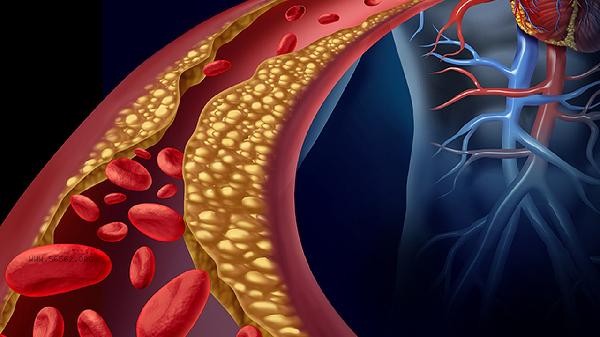
Renal artery stenosis may be caused by multiple factors. In genetic factors, certain familial hypertension or vascular diseases may increase the risk of disease. Environmental factors include long-term exposure to high salt diets, smoking, or air pollution. Physiological factors such as aging, obesity, or metabolic syndrome may also lead to arteriosclerosis. External injuries such as kidney damage may cause stenosis. Pathological factors include atherosclerosis, fibromuscular dysplasia, etc. These diseases may gradually aggravate the degree of renal artery stenosis.
2. The effect of renal artery stenosis on blood pressure
Renal artery stenosis can affect the normal function of the kidneys, especially the regulation of the renin angiotensin aldosterone system. When renal artery blood flow decreases, the kidneys release more renin, leading to vasoconstriction and elevated blood pressure. However, due to the instability of the degree of stenosis, blood pressure may fluctuate between high and low. Renal function damage may lead to water and sodium retention, further exacerbating blood pressure fluctuations.
3. Treatment Methods
Drug therapy is the preferred option, with commonly used drugs including angiotensin-converting enzyme inhibitors such as captopril, calcium channel blockers such as amlodipine, and diuretics such as hydrochlorothiazide. These drugs help control blood pressure and improve renal blood flow. Interventional therapy such as percutaneous renal angioplasty restores vascular patency through balloon dilation or stent implantation. Surgical treatment is suitable for severe cases, including renal artery bypass grafting or nephrectomy.
4. Lifestyle Adjustment
In terms of diet, it is recommended to adopt a low salt, low-fat, and high fiber diet pattern, such as consuming more vegetables, fruits, and whole grains. In terms of exercise, moderate aerobic activities such as brisk walking, swimming, or cycling can help improve cardiovascular health. Smoking cessation, alcohol restriction, and maintaining a healthy weight are also important auxiliary measures. The fluctuating blood pressure caused by renal artery stenosis requires timely diagnosis and treatment. By combining medication, interventional therapy, or surgical intervention with a healthy lifestyle, blood pressure fluctuations can be effectively controlled and kidney function can be improved. It is recommended that patients undergo regular physical examinations, monitor blood pressure and kidney function, and adjust treatment plans in a timely manner.








Comments (0)
Leave a Comment
No comments yet
Be the first to share your thoughts!