
If the blood sugar of diabetes is found to be positive in physical examination, it is usually necessary to make a comprehensive assessment in combination with the blood sugar control. If the blood sugar control is stable, it may be physiological urine sugar. If the blood sugar does not reach the standard, it indicates that the disease management needs to be adjusted. The positive urine glucose may be related to the reduction of renal glucose threshold, recent high sugar diet or diabetes nephropathy.
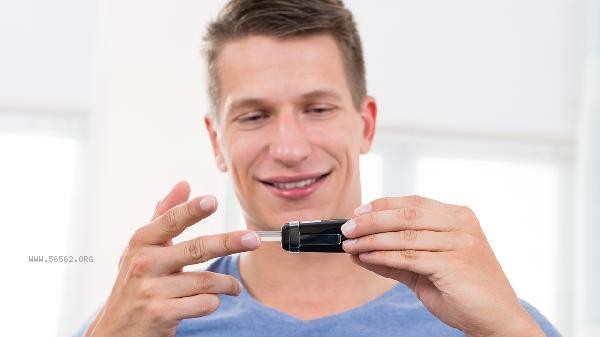
Some patients with diabetes may still have positive urine glucose even if their blood sugar is well controlled, which is related to the kidney's ability to reabsorb glucose. When blood glucose levels do not exceed the renal glucose threshold, glucose should not be present in urine. However, in some patients, a decrease in renal glucose threshold due to abnormal renal tubular function or physiological conditions such as pregnancy may lead to an increase in urinary glucose excretion. This type of situation requires further confirmation of metabolic status through glycated hemoglobin and dynamic blood glucose monitoring, and usually does not require special treatment. However, regular follow-up of urinary microalbumin is necessary to rule out early kidney damage. If urine glucose is positive and accompanied by a sustained increase in fasting or postprandial blood glucose, it indicates that the current treatment plan is not effective. In the state of hyperglycemia, glucose beyond the renal glucose threshold will be excreted through urine, and long-term uncontrolled may accelerate the progression of complications such as diabetes nephropathy and neuropathy. At this point, it is necessary to adjust the hypoglycemic regimen, such as using metformin sustained-release tablets, dapagliflozin tablets, or optimizing the insulin injection dose. At the same time, it is necessary to investigate whether there are factors such as infection and stress that can trigger blood glucose fluctuations.
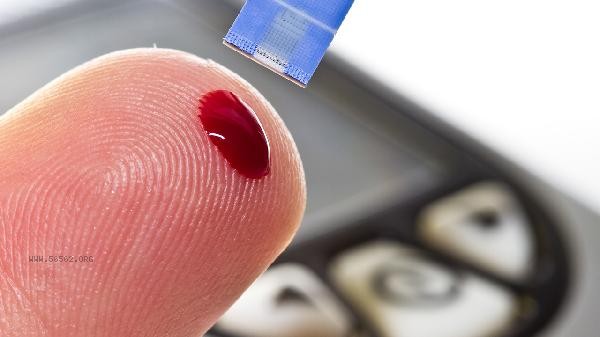
It is recommended that diabetes patients should improve routine urine, renal function and fundus examination after finding positive urine glucose. Blood glucose should be strictly monitored daily and diet and exercise should be recorded. Avoid consuming too many high glycemic index foods at once, such as glutinous rice, honey, etc. You can choose foods rich in dietary fiber, such as broccoli and oats, to delay sugar absorption. If urinary sugar continues to be positive or accompanied by worsening symptoms of polydipsia and polyuria, timely follow-up with the endocrinology department should be sought to adjust the treatment plan.









Comments (0)
Leave a Comment
No comments yet
Be the first to share your thoughts!