
It is usually necessary to pay attention to the positive urine sugar found in the physical examination of diabetes patients, but the specific severity needs to be judged comprehensively in combination with the situation of blood sugar control. A positive urine glucose test may be related to factors such as high blood sugar and decreased renal glucose threshold. It is recommended to seek medical attention promptly for a re examination of blood sugar and urine routine.
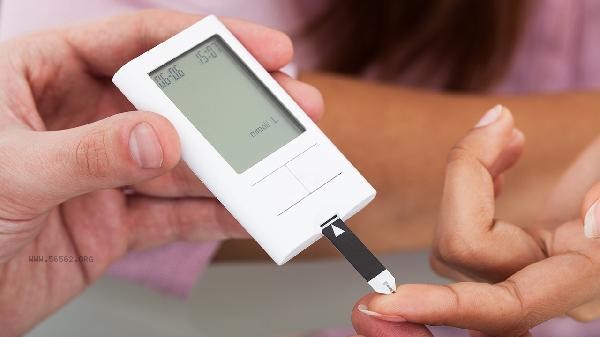
The most common reason for positive urine glucose in diabetes patients is that the blood glucose level exceeds the renal glucose threshold. Under normal circumstances, when blood sugar exceeds a certain level, the kidneys are unable to fully reabsorb glucose, resulting in a positive urine glucose test. If the patient has poor blood sugar control recently, with significantly elevated fasting or postprandial blood sugar and positive urine sugar, it often indicates the need to adjust the glycemic control plan. In this case, patients may experience symptoms such as excessive drinking, polyuria, and weight loss, and further evaluation of blood glucose control should be conducted through blood glucose monitoring and glycated hemoglobin testing. In rare cases, positive urine glucose may be related to a decrease in renal glucose threshold. Some elderly people or pregnant women may experience a physiological decrease in renal glucose threshold, and even within the normal range of blood glucose, they may still have positive urine glucose. Certain kidney diseases such as tubular dysfunction may also lead to a decrease in glucose reabsorption capacity. This type of situation usually requires comprehensive tests such as kidney function and urinary microalbumin to distinguish it from urinary glucose positivity caused by simple hyperglycemia.
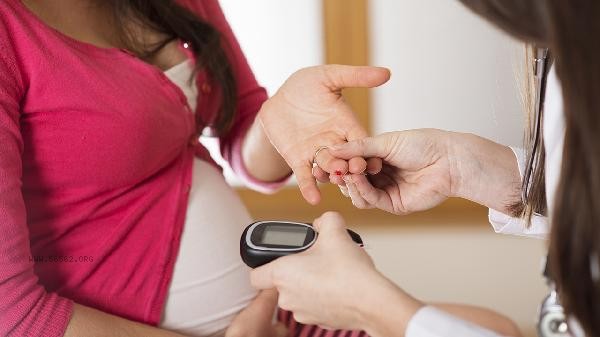
Patients with diabetes need to strictly monitor the changes of blood sugar daily, maintain regular diet and moderate exercise. It is recommended to recheck glycated hemoglobin every 3-6 months and regularly check urine routine and kidney function. If urine sugar is found to be positive, recent blood sugar levels should be recorded in a timely manner for the doctor's reference, to avoid adjusting medication dosage on one's own. At the same time, attention should be paid to foot care and oral hygiene to prevent complications of diabetes.








Comments (0)
Leave a Comment
No comments yet
Be the first to share your thoughts!