
High total bilirubin may lead to yellowing of the skin. Total bilirubin is a form of bilirubin that, when its concentration in the blood exceeds the normal range, may deposit on the skin and mucous membranes, causing symptoms of jaundice. Elevated total bilirubin is usually associated with abnormal liver function, biliary obstruction, or excessive destruction of red blood cells. The liver is the main organ for processing bilirubin. If the liver is damaged or the biliary tract is obstructed, bilirubin cannot be metabolized and excreted normally, and will accumulate in the body. In this case, the skin and white parts of the eyes may gradually turn yellow, the color of urine may darken, and the color of feces may become lighter. Mild jaundice may only manifest as slight yellowing of the white eyes, and as the condition progresses, the yellowing of the skin will gradually become apparent. In rare cases, mild elevation of total bilirubin may not cause significant skin yellowing. Some genetic diseases, such as Gilbert syndrome, have a slight increase in total bilirubin levels in patients, but usually no other symptoms. After long-term use of certain medications or vigorous exercise, there may also be a temporary increase in bilirubin levels without accompanying skin changes. This type of situation often requires a blood test to detect abnormalities.
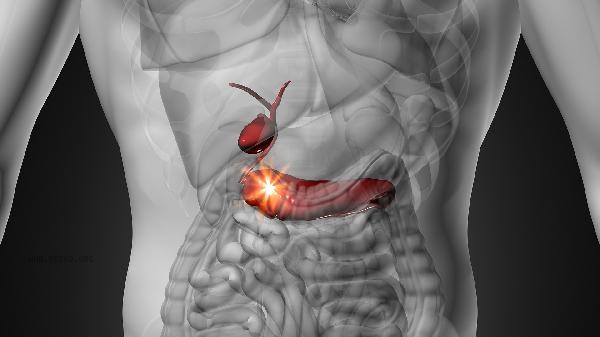
If yellow skin is found, it is necessary to seek medical attention in a timely manner to check liver function, blood routine, and other items to determine the specific cause of elevated total bilirubin. In daily life, it is necessary to avoid drinking alcohol, maintain a regular schedule, have a balanced diet, and reduce the burden on the liver. If diagnosed with liver and gallbladder disease, treatment should be carried out under the guidance of a doctor, and relevant indicators should be regularly reviewed.








Comments (0)
Leave a Comment
No comments yet
Be the first to share your thoughts!