
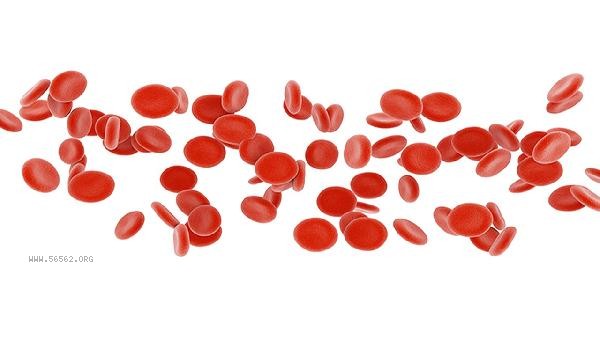
Indirect bilirubin elevation usually requires red blood cell morphology examination. Indirect bilirubin elevation may be related to diseases such as hemolytic anemia and hereditary spherocytosis, and red blood cell morphology examination can help clarify the cause. Indirect bilirubin is an intermediate product of bilirubin metabolism, mainly produced by the breakdown of hemoglobin released after the destruction of aging red blood cells. When the destruction of red blood cells increases, the level of indirect bilirubin will rise. Red blood cell morphology examination can observe the size, shape, staining and other characteristics of red blood cells, helping to determine the presence of hemolytic diseases. Common abnormal red blood cell morphologies include spherical red blood cells, target shaped red blood cells, sickle shaped red blood cells, etc. These abnormally shaped red blood cells are easily damaged in the spleen, leading to an increase in indirect bilirubin. For patients with mild indirect bilirubin elevation and no other obvious abnormalities, immediate red blood cell morphology examination may not be necessary. But for patients with sustained elevation, accompanied by anemia or other symptoms, red blood cell morphology examination is a necessary auxiliary diagnostic tool. Red blood cell morphology examination usually requires collecting peripheral blood smears and observing them under a microscope. This examination is simple to operate and has little impact on patients, but the interpretation of the results requires professional personnel. In addition to red blood cell morphology examination, doctors may recommend performing tests such as reticulocyte count, hemoglobin electrophoresis, Coombs test, etc. based on the situation. These tests help to further clarify the specific reasons for the elevation of indirect bilirubin. For neonatal jaundice patients, red blood cell morphology examination can help distinguish between physiological jaundice and pathological jaundice. After discovering an increase in indirect bilirubin, it is recommended to seek medical examination promptly. In daily life, attention should be paid to observing the degree of yellowing of the skin and sclera, changes in urine color, and avoiding excessive exercise that can lead to increased damage to red blood cells. In terms of diet, it is advisable to increase foods rich in iron, folate, and vitamin B12, such as lean meat, animal liver, dark green vegetables, etc., but specific dietary adjustments should be made under the guidance of a doctor. Avoid self medication that may cause hemolysis, such as sulfonamides, antimalarials, etc.








Comments (0)
Leave a Comment
No comments yet
Be the first to share your thoughts!