
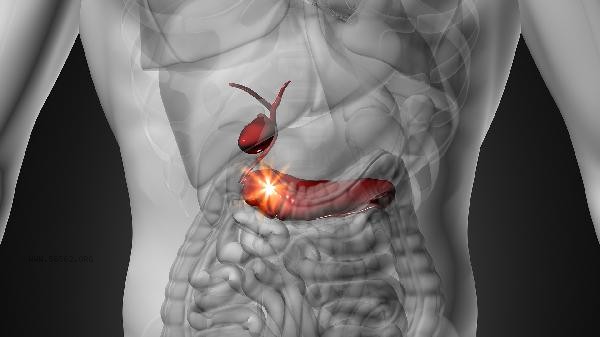
Elevated indirect bilirubin may affect the skin, mainly manifested as jaundice. Indirect bilirubin is an intermediate product of bilirubin metabolism, and its abnormal elevation may be related to hemolytic diseases, genetic metabolic disorders, or liver and gallbladder dysfunction.
1. Hemolytic anemia
Excessive destruction of red blood cells can lead to an increase in indirect bilirubin production, commonly seen in autoimmune hemolytic anemia, favism, etc. In addition to skin yellowing, patients may also experience fatigue and darkened urine color. Treatment should be targeted at the primary disease, such as using acetate prednisolone tablets to suppress immune responses or infusing washed red blood cells. Parents should pay attention to the child's avoidance of exposure to oxidative drugs or food.
2. Gilbert syndrome
is a common genetic disorder of bilirubin metabolism, in which the liver's ability to process indirect bilirubin is reduced. Mild yellowing of the skin often worsens when fatigued or hungry, and usually does not require special treatment, but excessive dieting should be avoided. It is recommended to regularly monitor liver function and, if necessary, follow medical advice to use phenobarbital tablets to activate metabolic enzymes.
3. During the active phase of hepatitis [SEP], the uptake of indirect bilirubin by liver cells decreases in viral hepatitis or drug-induced liver injury. In addition to yellowing of the skin and sclera, it may be accompanied by decreased appetite and liver pain. Compound glycyrrhizin tablets should be used to protect liver cells, entecavir dispersible tablets for antiviral treatment, and strict abstinence from alcohol is required.
4. Biliary obstruction
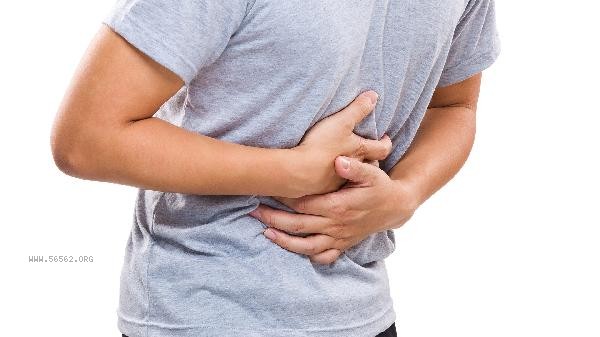
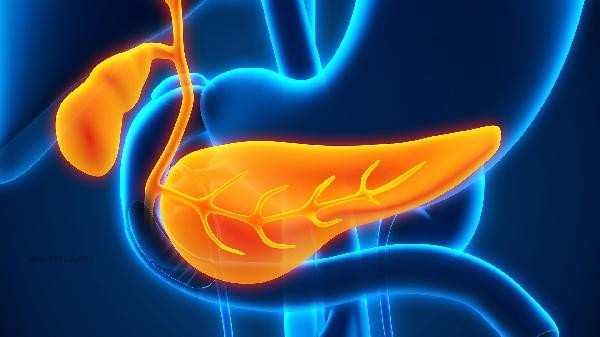
Biliary stones or tumor compression can cause direct bilirubin reflux into the bloodstream, but long-term obstruction can lead to secondary liver cell damage and indirect bilirubin elevation. Skin yellowing is progressively worsening, often accompanied by itching. Obstruction needs to be relieved through ERCP stone removal or surgery, combined with the use of ursodeoxycholic acid capsules for choleretic treatment.
5. physiological jaundice in newborns
After birth, the metabolism of red blood cells in infants is vigorous while the development of the liver is incomplete, and a brief increase in indirect bilirubin is a normal phenomenon. Mild jaundice can be promoted through breastfeeding, and in severe cases, blue light therapy is needed. Parents need to observe whether jaundice spreads to the limbs to prevent the occurrence of bilirubin encephalopathy.
In daily life, high-fat diet should be avoided to increase the burden on the liver, and moderate supplementation of vitamin B should help with metabolism. When there is persistent yellowing of the skin or accompanied by abnormal urine color, it is necessary to seek medical attention promptly to check liver function, blood routine, and hepatobiliary ultrasound. Patients with jaundice should pay attention to sun protection, avoid scratching and itching the skin, and wear soft cotton clothing to reduce irritation. Patients with hemolytic diseases should prevent infection and use sulfonamides and other drugs that may induce hemolysis with caution.








Comments (0)
Leave a Comment
No comments yet
Be the first to share your thoughts!