
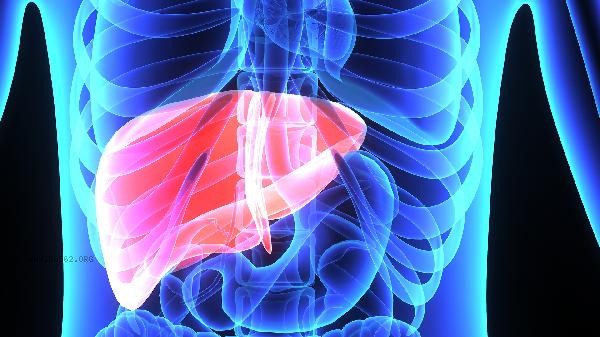
Two pairs and a half of hepatitis B small three positive virus with high quantity usually need treatment. "Little three positive" refers to positive hepatitis B B surface antigen, hepatitis B B e antibody and hepatitis B core antibody. High virus quantity indicates active virus replication, which may increase the risk of liver injury. When the quantitative level of Xiao San Yang virus is high, the virus still actively replicates in the body, which may cause inflammation and necrosis of liver cells. Long term development can lead to liver fibrosis, cirrhosis, and even liver cancer. If the viral load exceeds a certain value or is accompanied by abnormal liver function, such as elevated transaminase levels, it is usually recommended to initiate antiviral therapy. Antiviral drugs such as entecavir tablets and tenofovir disoproxil tablets can effectively inhibit virus replication and reduce the risk of liver damage. At the same time, hepatitis B virus DNA quantification, liver function and liver ultrasound should be monitored regularly to assess the progress of the disease. In rare cases, if the viral quantification is high but liver function remains normal without evidence of liver fibrosis, it may belong to the immune tolerance period and may not be treated temporarily, but close follow-up is required. There may still be fluctuations in the condition of this group of people, especially those over 40 years old or those with a family history of liver cancer, and early intervention is necessary if necessary. For women of childbearing age or patients who plan to receive immunosuppressive therapy, even if their liver function is normal, antiviral therapy may be required to block mother to child transmission or prevent reactivation of hepatitis B. During the treatment period, one should avoid drinking alcohol, excessive fatigue, and using liver damaging drugs, maintain a light diet, and supplement high-quality protein in moderation. Re check viral load, liver function, and alpha fetoprotein every 3-6 months, and if necessary, perform liver elasticity testing to evaluate the degree of fibrosis. If symptoms such as fatigue, jaundice, or abdominal distension occur, seek medical attention promptly and adjust the treatment plan.









Comments (0)
Leave a Comment
No comments yet
Be the first to share your thoughts!