
helicobacter pylori infection may cause bad breath. Helicobacter pylori infection may lead to diseases such as gastritis and gastric ulcers, and the odor substances produced by these diseases may enter the lungs through blood circulation and be excreted through respiration, causing bad breath. The main causes of bad breath caused by Helicobacter pylori infection are gastric inflammation and ulcers. When Helicobacter pylori reproduces in the stomach, it can damage the gastric mucosal barrier, leading to abnormal gastric acid secretion and an imbalance in the gastric environment. When food in the stomach is not fully digested, it may produce odorous gases such as hydrogen sulfide and ammonia. These gases enter the mouth through gastroesophageal reflux or circulate through the bloodstream into the lungs before being exhaled, resulting in bad breath. Helicobacter pylori infection may also reduce the secretion of saliva in the mouth, which can lead to a decrease in oral self-cleaning ability, accelerated bacterial growth, and worsening bad breath.
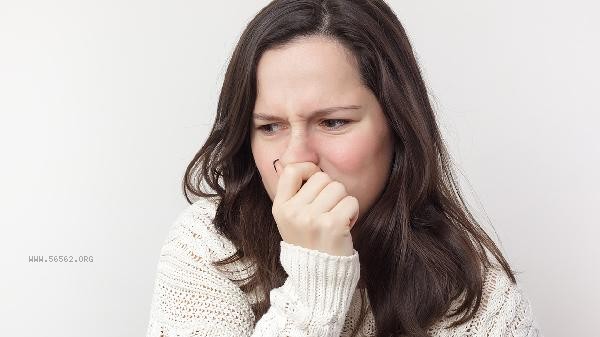
A small number of Helicobacter pylori infected individuals may not experience obvious bad breath symptoms. This is related to individual differences, infection levels, oral hygiene conditions, and other factors. Some patients have mild gastric lesions, with less impact on gastric acid secretion and gastric mucosal barrier function. The production of odorous substances is low, and may not cause noticeable bad breath. People with good oral hygiene and regular teeth cleaning may not have obvious bad breath symptoms even if they have Helicobacter pylori infection. When suspecting Helicobacter pylori infection causing bad breath, it is recommended to seek medical attention and examination in a timely manner. Diagnosis can be made through methods such as carbon-13 or carbon-14 breath tests, gastroscopy, etc. After diagnosis, standardized treatment should be carried out under the guidance of a doctor, and commonly used regimens include proton pump inhibitors combined with two antibiotics. During treatment, pay attention to oral hygiene, use antibacterial mouthwash, maintain a light diet, and avoid eating spicy foods. After completing the treatment course, a follow-up examination is required to confirm the eradication effect and prevent recurrence.








Comments (0)
Leave a Comment
No comments yet
Be the first to share your thoughts!