
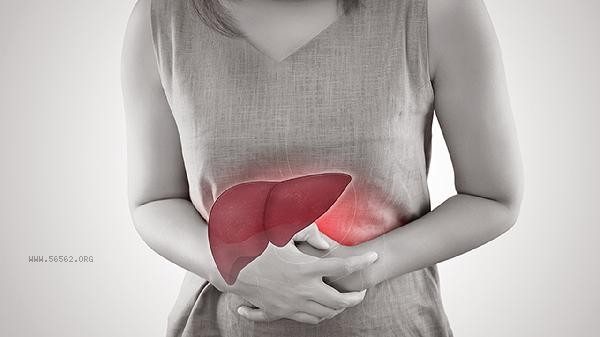
Fatty liver may lead to elevated blood lipids, and the two often occur together but are not directly causally related. Fatty liver and dyslipidemia are often driven by metabolic disorders and require comprehensive intervention to improve. Patients with fatty liver often have elevated levels of triglycerides and low-density lipoprotein cholesterol. The accumulation of fat in liver cells can affect liver metabolic function, leading to an increase in the synthesis of very low-density lipoprotein. This lipoprotein, when broken down in the blood, can cause an increase in triglyceride levels. At the same time, the activity of lipoprotein lipase may decrease in patients with fatty liver, delaying the clearance rate of lipids in the blood. About half of non-alcoholic fatty liver disease patients in clinical practice have hypertriglyceridemia, and this association is more significant in insulin resistant populations. Abnormal blood lipids may also exacerbate the condition of fatty liver. Excessive free fatty acids in the blood, when taken up by the liver, can form new fat deposits. Patients with a high cholesterol diet or hereditary hyperlipidemia may experience a decrease in the ability of liver cells to excrete cholesterol, which may accelerate the progression of fatty liver to steatohepatitis. Some lipid-lowering drugs such as statins need to adjust their dosage when liver function is abnormal, indicating a close relationship between blood lipids and liver function.
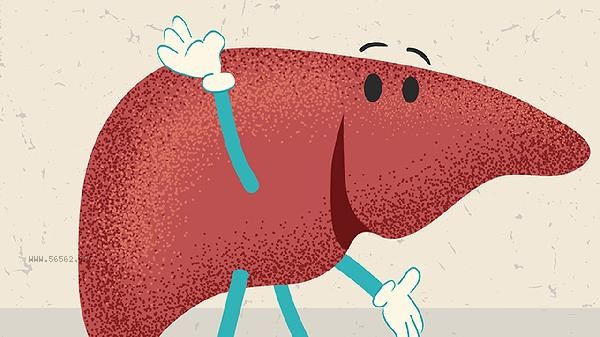
It is recommended that individuals with fatty liver and blood lipid abnormalities prioritize improving their metabolic status through lifestyle adjustments. Maintain 30 minutes of aerobic exercise daily, reduce refined sugar and saturated fat intake, increase dietary fiber and Omega-3 fatty acid supplementation. Regularly monitor liver function and blood lipid profile. For those with persistent abnormalities, liver protective drugs such as polyene phosphatidylcholine capsules and silymarin capsules, or lipid-lowering drugs such as atorvastatin calcium tablets, should be used under the guidance of a doctor. Avoid taking health supplements that may harm the liver on your own, and drinkers should strictly abstain from drinking.









Comments (0)
Leave a Comment
No comments yet
Be the first to share your thoughts!