
Whether high bilirubin levels in children affect growth and development needs to be determined based on specific causes. Physiological high bilirubin levels usually do not affect growth and development, while pathological high bilirubin levels may lead to growth retardation due to primary diseases.
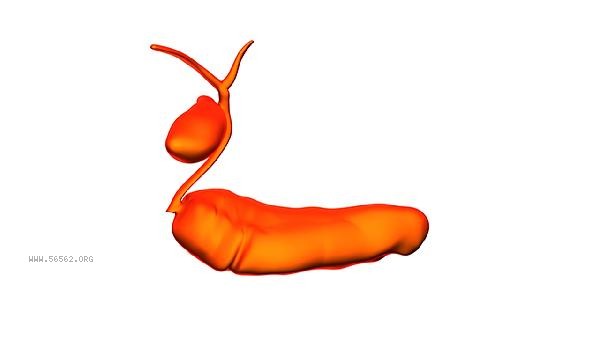
1. Physiologically elevated
Physiological jaundice in newborns is a common condition, caused by incomplete liver metabolic function leading to temporary elevation of bilirubin, which usually subsides on its own within 2 weeks. This type of situation will not affect children's nutrient absorption or organ development, and does not require special treatment. It is recommended that parents strengthen feeding to promote bilirubin excretion.
2. Breast milk jaundice
is related to excessive β - glucuronidase activity in breast milk, manifested as a sustained increase in bilirubin levels one week after birth. Although jaundice subsides slowly, the child's growth and development indicators are normal. breastfeeding can be continued and bilirubin levels monitored regularly. If necessary, Yinzhihuang oral solution can be used as an adjuvant treatment according to medical advice. Hemolytic diseases such as ABO hemolysis or G6PD deficiency can lead to a sharp increase in bilirubin levels. The destruction of a large number of red blood cells not only causes jaundice, but may also affect oxygen delivery due to anemia, leading to delayed growth and development. Phototherapy or infusion of human serum albumin should be performed promptly, and in severe cases, blood exchange therapy may be necessary.
4. Biliary atresia
Congenital biliary malformation obstructs bilirubin excretion, often accompanied by clay colored feces and hepatosplenomegaly, in addition to skin and sclera jaundice. Continuous bile stasis can cause fat diarrhea and fat soluble vitamin deficiency, which may affect bone development. After diagnosis, Geshe surgery or liver transplantation should be performed within 3 months.

5. Genetic metabolic diseases
such as Krieger Nagar syndrome and other genetic defects, in which the child's liver lacks bilirubin metabolizing enzymes, leading to high bilirubin levels in the final stage. Long term uncontrolled jaundice may cause brain damage and indirectly affect motor development. Lifetime treatment with phenobarbital tablets or liver transplantation is required.
It is recommended that parents regularly monitor their children's height and weight curves, and complete liver function, hepatobiliary ultrasound, and other examinations when there is a slowdown in growth rate or persistent jaundice. Ensure a balanced diet with high-quality protein and vitamin E intake, and avoid high-fat foods from burdening the liver. Children with pathological jaundice should strictly follow medical advice to treat the primary disease, and regularly check their bilirubin levels and developmental assessments.









Comments (0)
Leave a Comment
No comments yet
Be the first to share your thoughts!