
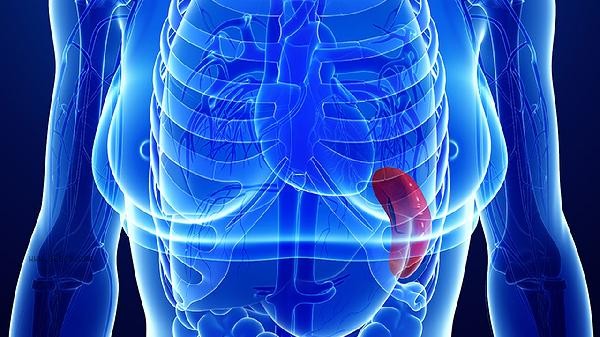
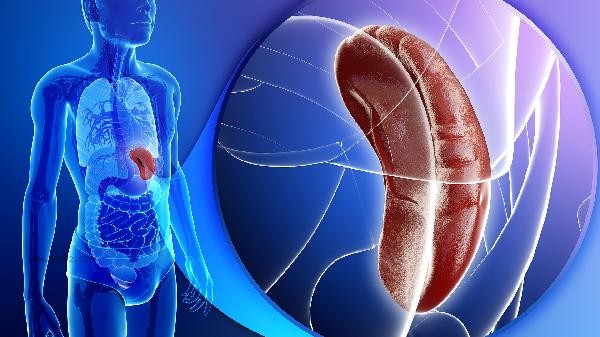
asymptomatic splenomegaly usually requires regular B-ultrasound examination. Splenomegaly may be caused by various factors such as infections, blood system diseases, liver diseases, etc. Regular monitoring can help detect potential disease progression early. Asymptomatic splenomegaly often does not cause significant discomfort in the early stages, but continuous enlargement of the spleen can increase the risk of rupture or indicate worsening of the underlying disease. B-ultrasound examination is non-invasive, convenient, and can accurately measure the size of the spleen. It is recommended to have a follow-up examination every 3-6 months. If there is progressive enlargement of the spleen or symptoms such as abdominal pain and fatigue, further examinations such as blood routine and liver function should be conducted. For patients with mild splenomegaly and long-term stability, the follow-up interval can be appropriately extended to 1 year, but attention should still be paid to the control of underlying diseases. Partial splenomegaly is associated with liver diseases such as chronic hepatitis and cirrhosis, and these patients need to be monitored for changes in liver function simultaneously. Hematological diseases such as leukemia causing splenomegaly may require a shortened follow-up period of 1-3 months. Individualized follow-up plans should be developed based on genetic testing results for splenomegaly caused by a small number of inherited metabolic diseases.
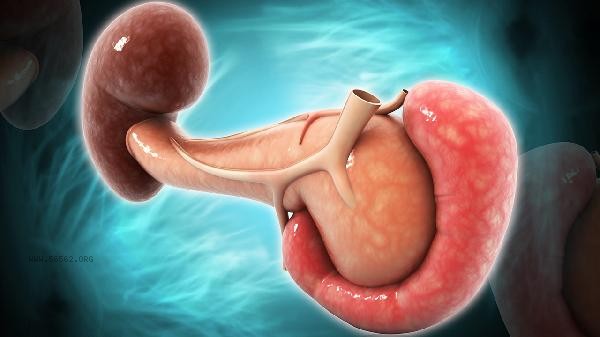
In daily life, it is necessary to avoid vigorous exercise and trauma that may impact the spleen area. A light diet should be maintained and high-quality protein intake should be ensured. If the short diameter of the spleen exceeds 12 centimeters or is accompanied by a significant decrease in platelets during re examination, it is necessary to promptly seek medical attention from a hematology or gastroenterology department to evaluate intervention indications. Regular follow-up can effectively reduce the risk of complications such as splenic hyperfunction or spontaneous rupture.








Comments (0)
Leave a Comment
No comments yet
Be the first to share your thoughts!