
A high blood count of eosinophils in children may be accompanied by skin itching, but it is not necessarily related. Elevated eosinophils may be related to factors such as allergic reactions, parasitic infections, autoimmune diseases, etc., and should be comprehensively judged based on specific clinical manifestations.
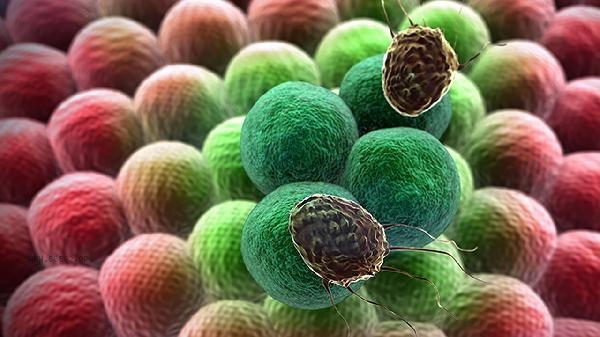
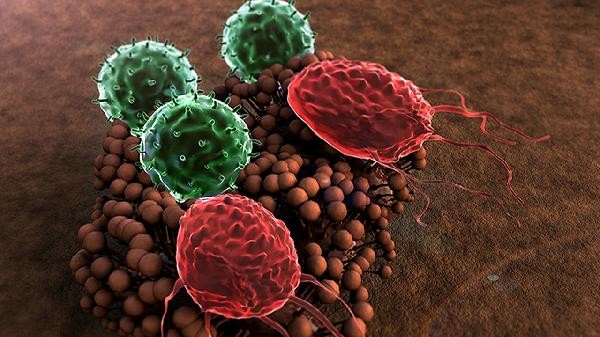
Allergic reactions are a common cause of increased eosinophils, such as exposure to pollen, dust mites, or consumption of allergenic foods. Children may experience skin erythema, wheals with severe itching, and their blood routine may show an increase in eosinophil count. Parasitic infections such as roundworms and hookworms can also stimulate eosinophil proliferation. In addition to skin itching, they may be accompanied by abdominal pain, diarrhea, or discomfort around the anus at night. Some autoimmune diseases, such as atopic dermatitis and eosinophilic gastroenteritis, may simultaneously present with elevated eosinophils and local tissue itching symptoms. In rare cases, blood system diseases such as eosinophilia or certain tumor diseases may also cause abnormal increase in eosinophils, but usually accompanied by systemic symptoms such as fever and weight loss, and skin itching is not the main manifestation. Drug allergic reactions, such as the use of penicillin antibiotics, may result in transient eosinophilia accompanied by drug rash itching, which can often be relieved after discontinuation of medication.

It is recommended that parents record a history of suspected allergen exposure when their children have abnormal blood routine and persistent itching, in order to avoid scratching the skin and causing secondary infections. You can follow the doctor's advice to use calamine lotion for local itching relief, or take antihistamines such as loratadine syrup orally. If accompanied by severe allergic reactions such as difficulty breathing and facial swelling, seek medical attention immediately. Improving stool routine and allergen testing can help identify the cause, and targeted treatment of the underlying disease can effectively improve symptoms.








Comments (0)
Leave a Comment
No comments yet
Be the first to share your thoughts!