
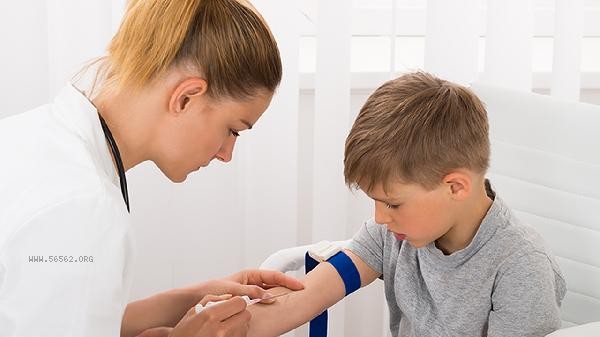
Not all cases of anemia found during a baby's physical examination require genetic testing. In the vast majority of cases, it is caused by reversible factors such as nutritional deficiency, and a few may be related to hereditary blood diseases. Nutritional anemia is the most common type of anemia in infants and young children, which is related to insufficient intake of iron, folate, or vitamin B12. Failure to timely add iron rich complementary foods, picky eating habits, and incomplete digestive absorption function can all lead to breastfeeding. This type of anemia can be diagnosed through basic tests such as blood routine and serum iron metabolism, and can be corrected by adjusting dietary structure or supplementing iron supplements. Premature infants and low birth weight infants are more prone to iron deficiency anemia due to insufficient congenital reserves, and these groups require closer monitoring of hemoglobin levels. When anemia is accompanied by hepatosplenomegaly, special facial features, skeletal abnormalities, or when conventional iron supplementation therapy is ineffective, gene related diseases such as thalassemia and hereditary spherocytosis should be considered. These children often have a family history of inheritance, and laboratory tests may show characteristic changes such as abnormal red blood cell morphology and hemoglobin electrophoresis. The newborn screening in areas with high incidence of G6PD deficiency has included some genetic anemia testing, but for cases with atypical or complex clinical manifestations, genetic testing can provide more accurate diagnostic basis. After discovering anemia, basic assessments such as blood smear and reticulocyte count should be completed first. If there are warning signals such as unexplained hemolysis, transfusion dependence, or family genetic history, it is recommended to go to the pediatric hematology department for specialized examination. Daily intake of iron rich foods such as red meat and animal liver should be ensured. Premature infants should receive preventive iron supplementation according to medical advice, while avoiding excessive consumption of milk that affects iron absorption.










Comments (0)
Leave a Comment
No comments yet
Be the first to share your thoughts!