
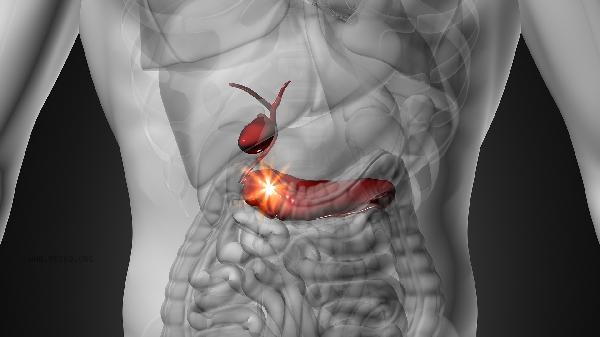
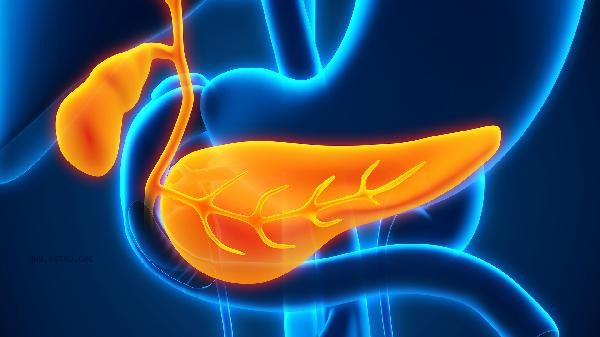
Direct bilirubin elevation is usually recommended to undergo biliary ultrasound examination. Elevated direct bilirubin may be related to factors such as bile stasis, bile duct obstruction, cholangitis, gallstones, and bile duct tumors. Biliary ultrasound can help clarify the cause. Direct bilirubin is a form of bilirubin that is mainly formed by the combination of bilirubin processed by the liver and glucuronic acid, and is discharged into the intestine through the bile duct. When there is obstruction or bile excretion disorder in the biliary system, direct bilirubin cannot be discharged smoothly, leading to an increase in the level of direct bilirubin in the blood. Biliary B-ultrasound is a non-invasive and convenient imaging examination method that can clearly display the morphology and structure of intrahepatic and extrahepatic bile ducts and gallbladder, helping to detect bile duct dilation, gallstones, bile duct stenosis or space occupying lesions. For mildly elevated direct bilirubin, if there are no other obvious symptoms, immediate examination may not be necessary temporarily. However, when it continues to rise or is accompanied by symptoms such as jaundice, abdominal pain, and skin itching, biliary ultrasound is the preferred screening method. Some patients with elevated bilirubin levels may be related to genetic abnormalities in bilirubin metabolism, such as Gilbert syndrome or Durbin Johnson syndrome, which usually do not require biliary ultrasound examination. In addition, certain drugs or hepatitis may also cause mild elevation of direct bilirubin, which needs to be comprehensively judged in combination with other tests such as liver function and hepatitis markers. But if there is clinical suspicion of biliary obstruction or bile duct disease, biliary ultrasound is still a necessary examination item, which can help doctors formulate follow-up diagnosis and treatment plans.

It is recommended that patients with elevated bilirubin levels avoid high-fat diets, reduce liver burden, and pay attention to observing urine color, stool consistency, and skin and sclera jaundice. If abnormalities in the biliary tract are found during examination, further examinations such as magnetic resonance cholangiopancreatography or endoscopic retrograde cholangiopancreatography should be performed according to medical advice. Timely identification of the cause can help with targeted treatment and prevent disease progression.








Comments (0)
Leave a Comment
No comments yet
Be the first to share your thoughts!