
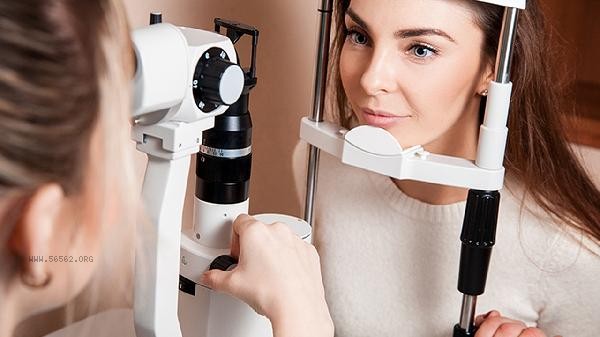
During a physical examination, it is usually necessary to measure and correct visual acuity. Corrective vision examination can more accurately assess visual function status and is of great significance in detecting refractive errors and eye diseases. In the routine physical examination, vision examination is divided into two parts: naked eye vision and corrected vision. Naked vision reflects the natural state of visual ability, while corrected vision is achieved by wearing lenses of appropriate degree to detect the best corrected visual clarity. In most cases, medical institutions require the examinee to first test their naked eye vision, and then decide whether further corrective vision testing is needed based on the results. If the naked eye vision is below the normal standard or there is blurred vision, an optometer or test stand should be used for corrective vision examination. This process helps distinguish between simple refractive errors and organic eye diseases. Refractive problems such as myopia, hyperopia, and astigmatism can be corrected to meet visual acuity standards, while diseases such as cataracts and glaucoma may still have poor visual acuity even after correction. In special circumstances, some basic physical examinations may only measure naked eye vision. For example, screening examinations such as onboarding and admission examinations may omit correction steps if the naked eye vision meets the standard. However, for professions such as drivers and precision instrument operators that require high visual acuity, or for individuals with a history of refractive errors, corrective vision examination is a mandatory test. In ophthalmic specialty examinations, corrected vision is one of the core evaluation indicators, which needs to be combined with optometry, intraocular pressure, fundus and other examinations to comprehensively determine the health status of the eyes.
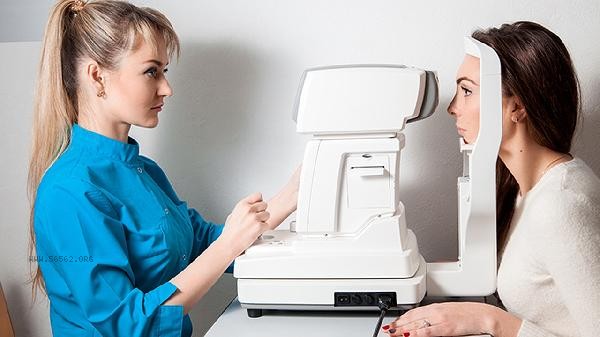
It is recommended to avoid excessive eye use before a physical examination and ensure adequate sleep. Those who wear glasses or contact lenses need to carry commonly used correction tools, while frame glasses need to have their lenses cleaned. Contact lens users can prepare care solutions in advance. The doctor shall be truthfully informed of the history of vision changes during the examination, and the middle-aged and elderly people or diabetes patients shall focus on the fundus condition. If correcting abnormal vision, it is necessary to promptly go to the ophthalmology department for further investigation of the cause.









Comments (0)
Leave a Comment
No comments yet
Be the first to share your thoughts!