
Generally, it is not necessary to take off socks for a physical examination and B-ultrasound, unless the examination involves lower limb blood vessels or feet.
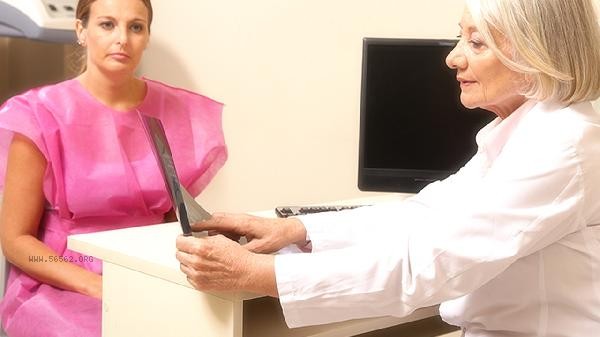
Routine B-ultrasound examinations of the abdomen, thyroid, heart, and other areas do not require removing socks, only exposing the skin of the area to be examined. If examining blood vessels such as lower limb veins and dorsalis pedis arteries, it may be necessary to remove socks so that the probe can directly contact the skin to obtain clear images. Thick socks or metal decorations may interfere with ultrasound transmission, and medical staff will inform in advance of the requirements for removing socks. Before the examination, it is recommended to wear loose and easy to remove shoes and socks to avoid pantyhose or tight socks that can affect blood circulation. In special circumstances such as foot trauma, infection, or postoperative follow-up, the examination method should be adjusted according to medical advice. Some hospitals may require uniform replacement of examination gowns, and socks may also need to be replaced at this time. Patients with diabetes or peripheral neuropathy should pay attention to keeping feet warm, and wear them back in time after taking off socks to prevent coldness.

Before the physical examination, you can consult the examination items in advance to confirm whether sock removal preparation is needed. During the examination, cooperate with the instructions of medical staff and maintain a relaxed state. After completing the inspection, tidy up your clothes in a timely manner and pay attention to keeping your lower limbs warm in winter to avoid getting cold.









Comments (0)
Leave a Comment
No comments yet
Be the first to share your thoughts!