
Whether dental cleaning is necessary during a physical examination depends on the individual's oral hygiene condition. Patients with more dental calculus or gum bleeding usually need dental cleaning, while those with good oral hygiene can postpone it.
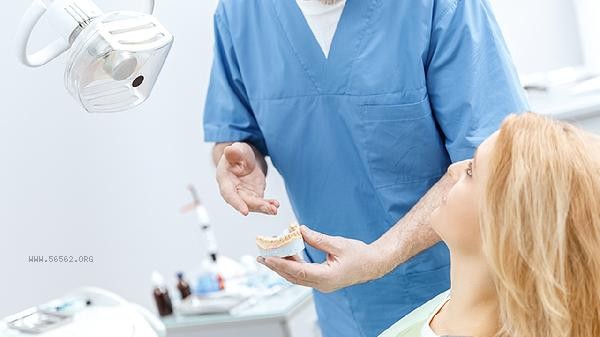
Teeth cleaning is an effective method for removing dental plaque and tartar. If gum redness, bleeding from brushing, or tartar accumulation are found during a physical examination, teeth cleaning can prevent gingivitis and periodontal disease. Long term stimulation of the gums by dental calculus can lead to gum recession and tooth loosening. Ultrasonic scaling can remove gingival calculus, while polishing can reduce plaque attachment. For patients with periodontal pockets, subgingival scaling is also necessary to avoid further bacterial damage to the alveolar bone. For those who do not have the above problems and adhere to the Babbitt brushing method and use dental floss on a daily basis, oral examinations may only require routine visual and probing examinations.
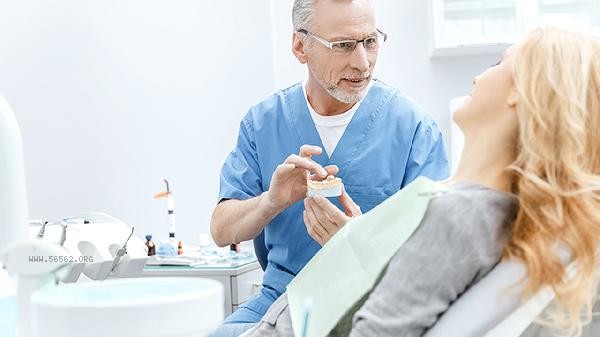
Some populations may have contraindications for dental cleaning, such as patients with coagulation dysfunction who need to assess the risk in advance, and those who wear pacemakers should avoid using ultrasonic dental cleaning machines. Patients with severe tooth sensitivity can choose to have their teeth cleaned in batches or pre treated with desensitizers. Patients with infectious diseases such as active hepatitis need to use specialized disinfection equipment. It is suggested that pregnant women should avoid the early stage of pregnancy when washing their teeth. Patients with diabetes should control their blood sugar before scaling.
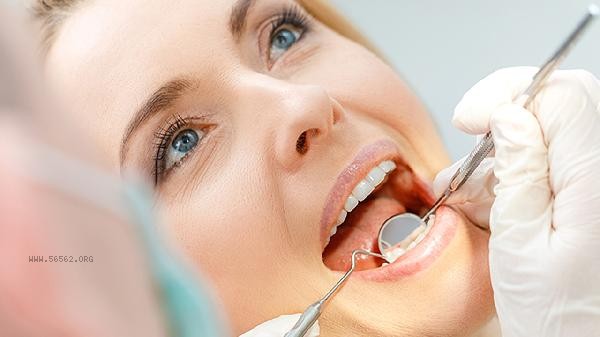
It is recommended to have 1-2 oral examinations per year, and those with a history of smoking or periodontal disease should increase the frequency of teeth cleaning. Avoid eating stained food within 24 hours after teeth cleaning, and use anti sensitivity toothpaste to relieve cold and hot sensitivity of teeth. If gum bleeding persists or teeth become loose, it is necessary to seek medical attention promptly. Daily use of a dental irrigator to clean the gaps between teeth can effectively maintain oral health.








Comments (0)
Leave a Comment
No comments yet
Be the first to share your thoughts!