
Elevated tumor markers generally require regular follow-up examinations. Tumor markers are a class of substances that reflect the presence and growth of tumors, but their elevation does not necessarily mean the presence of tumors, and may also be related to inflammation, infection, or other benign diseases. Regular follow-up after elevated tumor markers can help monitor the trend of indicator changes. If the indicator continues to rise or fluctuates significantly, it may indicate the need for further examination. Doctors will comprehensively evaluate the frequency of follow-up examinations based on specific marker types, elevation levels, and personal medical history. Common situations that require attention include abnormal changes in specific markers such as carcinoembryonic antigen, carbohydrate antigen, and prostate-specific antigen. Re examination is usually combined with imaging examinations or other laboratory tests to improve diagnostic accuracy. Some patients may need their first follow-up examination after 3 months.
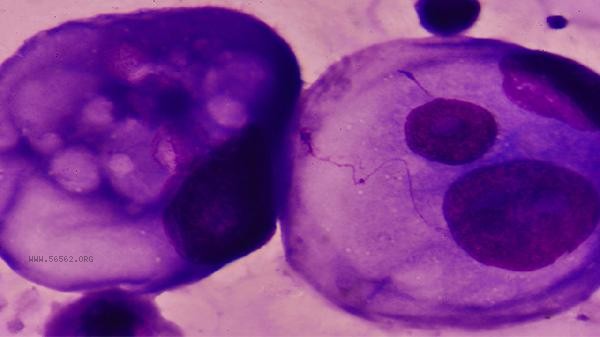
Certain physiological factors may also cause transient elevation of tumor markers, such as smoking, menstrual cycle changes, or pregnancy status. In this case, the re examination results often return to normal levels. Some patients with chronic diseases may experience long-term mild elevation of biomarkers without the occurrence of tumors. Special medication situations may also affect the detection results of certain biomarkers, and it is necessary to interpret them correctly under the guidance of a doctor. After discovering an increase in tumor markers, an individualized follow-up plan should be developed under the guidance of a doctor. In addition to regular monitoring of indicators, it is recommended to maintain a healthy lifestyle, avoid smoking and excessive alcohol consumption, and pay attention to observing abnormal physical symptoms. If the re examination shows persistent abnormalities in the indicators, relevant specialized examinations should be conducted in a timely manner to clarify the cause. Tumor markers are only used as auxiliary diagnostic tools and cannot be used alone to confirm the presence or absence of tumors.









Comments (0)
Leave a Comment
No comments yet
Be the first to share your thoughts!