
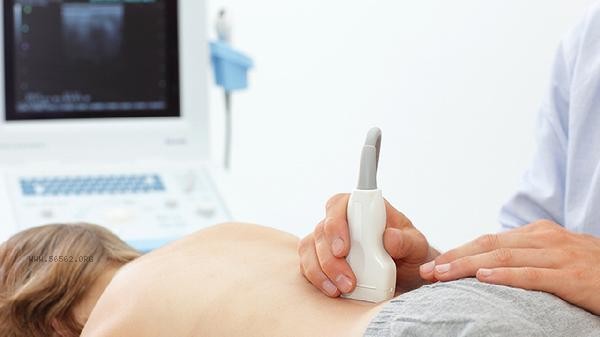
Children with high bilirubin levels usually require liver and gallbladder ultrasound examination. Elevated bilirubin levels may be related to factors such as liver and gallbladder diseases, hemolytic diseases, etc. Liver and gallbladder ultrasound can help clarify the cause. Bilirubin is the main pigment in bile, produced by the breakdown of red blood cells. When children have high bilirubin levels, hepatobiliary ultrasound can observe the size and shape of the liver, whether the bile ducts are dilated, and whether there are stones or inflammation in the gallbladder. This examination is non-invasive and radiation free, suitable for children, and can help doctors determine the presence of diseases such as biliary atresia, hepatitis, and gallstones. In most cases, doctors will decide whether to perform an ultrasound examination based on the results of blood tests. In rare cases, if bilirubin levels are mildly elevated and there are no other abnormal symptoms, doctors may recommend observing first and not performing ultrasound examination temporarily. This condition is more common in breast milk jaundice or physiological jaundice, and usually subsides on its own over time. But if bilirubin continues to rise or is accompanied by symptoms such as worsening skin jaundice and decreased appetite, it is necessary to undergo ultrasound examination in a timely manner. When parents find that their children's bilirubin is high, they should follow the doctor's advice for examination. In daily life, it is important to observe changes in the color of children's skin and sclera, and record their diet and bowel movements. Avoid self medication or folk remedies, seek medical attention promptly to identify the cause, and receive targeted treatment under the guidance of a doctor.









Comments (0)
Leave a Comment
No comments yet
Be the first to share your thoughts!