
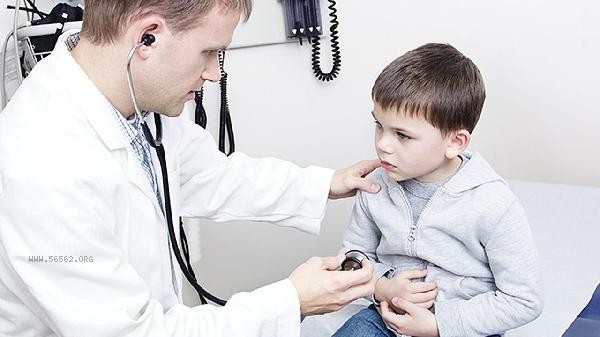
Children's physical examinations usually require B-ultrasound examination, and the specific items need to be determined based on age, health status, and doctor's advice. B-ultrasound is mainly used to screen for congenital developmental abnormalities, abdominal organ lesions, and other conditions. The application scope of ultrasound in children's physical examination is relatively wide. Routine screening for hip dysplasia during the neonatal period requires hip ultrasound examination. During infancy, congenital heart disease may be diagnosed through cardiac ultrasound, and the risk of intracranial hemorrhage may be detected through cranial ultrasound. Abdominal ultrasound during early childhood can evaluate the structure of organs such as the liver, gallbladder, pancreas, spleen, and kidneys, while urinary system ultrasound can detect problems such as hydronephrosis and ureteral dilation. When school-age children experience symptoms such as abdominal pain and hematuria, ultrasound can be the preferred non-invasive examination method. Some medical institutions have included thyroid ultrasound as a routine physical examination item for school-age children. There are also cases where children's physical examinations do not require B-ultrasound. The basic health examination package may not include B-ultrasound items, and additional examinations are usually not required when no abnormalities are found during a simple physical examination. Due to equipment limitations, some grassroots medical institutions are unable to conduct specialized ultrasound examinations for children. For infants and young children with poor cooperation, doctors may temporarily postpone non essential ultrasound examinations. If the growth and development indicators are normal and there are no clinical symptoms during routine physical examination, the doctor may adjust the examination plan according to the actual situation. Parents should cooperate with doctors to complete necessary B-ultrasound examinations, and provide psychological counseling for children before the examination. The use of coupling agents during the examination process may cause temporary discomfort. Clean the skin promptly after the examination. It is recommended to choose a specialized pediatric hospital or a medical institution with pediatric qualifications for physical examination to ensure the accuracy and safety of the examination. Regular physical examinations can help detect potential health problems early, but excessive testing should be avoided.










Comments (0)
Leave a Comment
No comments yet
Be the first to share your thoughts!