
The physical examination during the child's tooth replacement period requires checking the development of teeth. The period of tooth replacement is a critical stage for the shedding of deciduous teeth and the eruption of permanent teeth. Regular check ups can help detect problems such as abnormal tooth arrangement, dental caries, and obstacles to permanent tooth eruption in the early stage. The main examination items include the looseness of deciduous teeth, the development of permanent tooth germ, bite relationship assessment, dental caries screening, and oral hygiene guidance. The looseness test of deciduous teeth can determine the natural process of tooth loss. If deciduous teeth are retained, it may affect the normal eruption of permanent teeth. Dental X-rays can observe the position and morphology of permanent tooth germ, ruling out supernumerary teeth, missing teeth, or developmental abnormalities. The assessment of occlusal relationship can identify the tendency of malocclusion such as overbite and deep overbite, and early intervention can reduce the difficulty of orthodontic treatment. The key focus of dental caries screening is on newly sprouted permanent teeth such as sixth instar teeth, as they have deep grooves and are prone to pit and fissure caries. Oral hygiene guidance includes demonstration of the Babbitt brushing method, education on the use of dental floss, and dietary recommendations. Controlling the frequency of sweet food intake can help prevent dental caries.
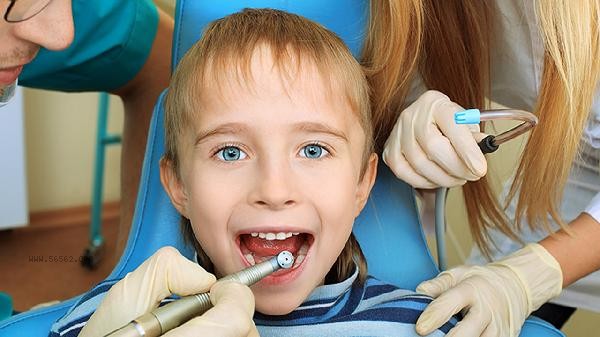
It is recommended that parents take their children for professional oral examinations every 3-6 months, cultivate the habit of brushing teeth in the morning and evening, and rinsing mouth after meals. If there is a delay of more than six months in the eruption of permanent teeth, retention of deciduous teeth, severe crowding of teeth, or retrognathia, it is necessary to promptly refer to a pediatric dental specialist. In daily life, chewable foods such as apples and carrots can be provided to stimulate jawbone development and avoid biting hard objects with teeth causing trauma.








Comments (0)
Leave a Comment
No comments yet
Be the first to share your thoughts!