
Children who are found to have dental caries during physical examinations usually need to have their teeth filled. Dental caries are lesions formed by the erosion of hard tissues of teeth by bacteria. If not intervened in a timely manner, it may lead to complications such as pulpitis and periapical periodontitis. Dental filling can effectively prevent the progression of dental caries, restore tooth function and morphology. The early manifestation of dental caries is the appearance of chalky patches or shallow cavities on the surface of the teeth, which can be repaired by removing the decay material and filling with composite resin and other materials. If dental caries have affected the dentin, there may be cold and hot stimulation pain, and glass ionomer cement or silver amalgam should be used for filling. When dental caries approach the pulp, spontaneous pain may occur, and pulp treatment such as pulpotomy should be performed before filling the teeth. If deep caries are not treated in a timely manner, it may lead to pulp necrosis and require root canal treatment followed by crown restoration. In rare cases, if the primary teeth are severely decayed and approaching the replacement period, professional evaluation may temporarily exempt them from treatment.
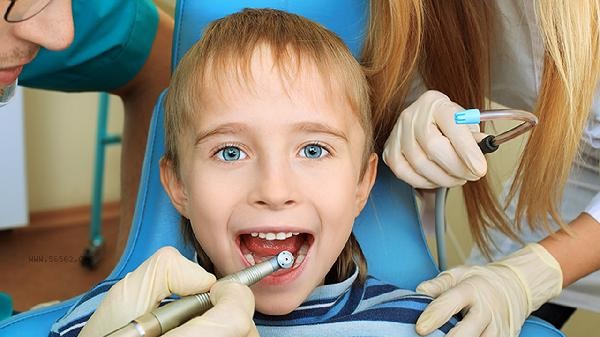
It is recommended that parents take their children for oral examinations every 3-6 months, develop the habit of brushing teeth in the morning and evening, using fluoride toothpaste, and limit high sugar intake. If dental caries are found, it is necessary to seek medical attention promptly at a pediatric dental clinic to avoid damage to chewing function or abnormal development of permanent teeth due to delayed treatment. For children with low cooperation, behavioral induction or sedation therapy can be chosen.








Comments (0)
Leave a Comment
No comments yet
Be the first to share your thoughts!