
Baby chicken breast correction generally requires calcium supplementation. Chicken breast is usually associated with vitamin D deficiency rickets, and calcium supplementation helps with bone development, but it needs to be supplemented in conjunction with vitamin D.
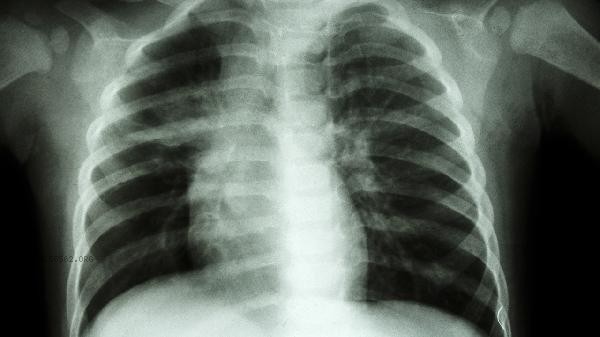
Chicken breast is a deformity where the sternum protrudes forward, often caused by abnormal calcium and phosphorus metabolism due to vitamin D deficiency in infancy, leading to bone softening and deformation. Calcium supplementation can provide the necessary raw materials for bone mineralization, but the effect of pure calcium supplementation is limited, and it must be combined with vitamin D to promote intestinal calcium absorption. Mild chicken breasts can be treated with daily supplementation of 400-800 units of vitamin D and appropriate calcium supplements, as well as exposure to sunlight to help the skin synthesize vitamin D. Most cases of deformities in children will gradually improve with growth. Moderate to severe chicken breast disease requires an increase in vitamin D dosage under the guidance of a doctor. If necessary, active vitamin D preparations such as calcitriol capsules should be used, and blood calcium and urinary calcium levels should be regularly monitored. During calcium supplementation, easily absorbable dosage forms such as calcium carbonate granules and oral calcium gluconate solution should be selected to avoid co administration with vegetables containing oxalic acid, which may affect absorption.
It is necessary to ensure a daily intake of 500 milliliters of dairy products and increase the intake of foods rich in vitamin D such as salmon and egg yolks. Avoid standing and walking too early to increase bone load, and maintain a supine position during sleep to reduce chest pressure. Regular follow-up visits to the pediatric health department are necessary. If the correction effect is poor or complications such as breathing difficulties occur, orthopedic braces or surgical treatment should be considered.








Comments (0)
Leave a Comment
No comments yet
Be the first to share your thoughts!