
The diagnosis and treatment of scrofula in traditional Chinese medicine require the selection of corresponding treatment methods based on the syndrome type, mainly including Qi stagnation and phlegm coagulation syndrome, Yin deficiency and fire excess syndrome, Qi and blood deficiency syndrome, phlegm and blood stasis syndrome, heat and toxin stagnation syndrome, etc. Scutellaria is equivalent to lymph node tuberculosis in modern medicine. Traditional Chinese medicine believes that it is often caused by liver depression and qi stagnation, phlegm dampness coagulation, or insufficient normal qi. Treatment methods such as soothing the liver and relieving depression, resolving phlegm and dispersing nodules, nourishing yin and reducing fire, and nourishing qi and blood should be adopted based on specific symptoms.
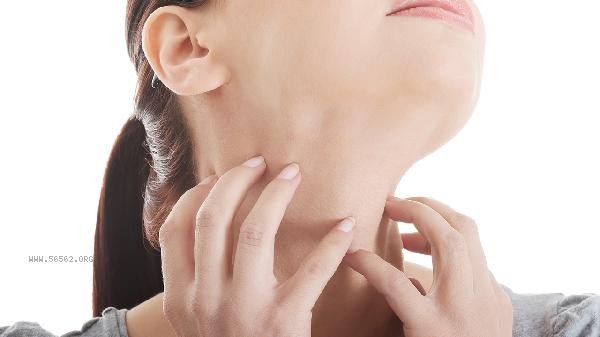
1. Qi stagnation and phlegm coagulation syndrome
is characterized by a hard and painless neck mass, poor emotional flow, and often caused by liver qi stagnation and phlegm dampness coagulation. You can choose Xiaoyao San and Er Chen Tang with modifications. Commonly used traditional Chinese medicines include Chaihu Shugan San granules and Xiacao Cao. External treatment can be applied with Yanghe Jiening ointment, combined with acupuncture at acupoints such as Shimen and Taichong. Patients should maintain emotional stability and avoid spicy and stimulating foods.
2. Yin deficiency and excessive fire syndrome
Common lumps, redness, swelling, pain, hot flashes, and night sweats are related to liver and kidney yin deficiency and internal disturbance of deficiency fire. The therapeutic method is mainly to nourish yin and reduce fire. The prescription is Zhibai Dihuang Pill combined with Xiaoluo Pill. traditional Chinese patent medicines and simple preparations such as Zhibai Dihuang Pill Concentrated Pill, Xuanmai Ganju Granules, etc. are applicable. It can be supplemented with turtle shell decoction pills to nourish yin and soften hardness. At the same time, avoid eating warm and dry foods and pay attention to balancing work and rest.
3. Qi and blood deficiency syndrome
is characterized by lumps that persist for a long time and pale complexion, often caused by prolonged illness that depletes qi and blood. It is advisable to use Bazhen Decoction for flavoring and conditioning, and recommend Shiquan Dabu Pill, Ginseng Yangrong Pill and other traditional Chinese patent medicines and simple preparations. Dietary therapy can use Huangqi stewed chicken, combined with moxibustion at acupoints such as Zusanli and Qihai to enhance physical fitness. It is necessary to strengthen nutrient intake and avoid excessive fatigue.

4. Phlegm blood stasis syndrome
is characterized by a hard and stone like mass, fixed pain, and a pathological mechanism of phlegm turbidity and blood stasis. Treatment requires resolving phlegm and removing blood stasis. The recommended formula is Seaweed Yuhu Decoction combined with Peach Blossom Four Ingredient Decoction, such as Xiaojin Pill and Xuefu Zhuyu Capsules. External treatment can be achieved by applying Chong He Gao externally, combined with acupuncture and cupping therapy. Patients should engage in moderate physical activity to promote the circulation of qi and blood.
5. Heat toxin stagnation syndrome
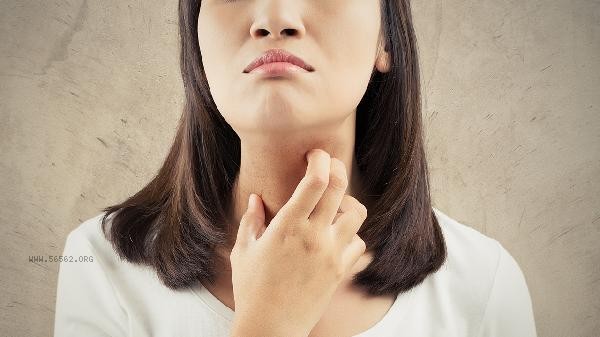
is characterized by local redness, swelling, heat pain, suppuration, and rupture, often caused by excessive heat toxin. The treatment focuses on clearing away heat and detoxification, and the prescription uses the addition and subtraction of Xianfang Huosheng Drink. traditional Chinese patent medicines and simple preparations, such as Xihuang Pill and Forsythia suspensa Baidu Pill, is suitable. After collapse, you can use 91 Dan to remove pus and remove decay, combined with dandelion and honeysuckle decoction for external washing. Diet should be light and free from organic matter. Patients with scrofula should pay attention to keeping their skin clean in daily life and avoid scratching the affected area. It is advisable to choose spleen strengthening and phlegm resolving ingredients such as lilies, yams, and fungus for diet, and avoid eating fatty, sweet, and thick flavors. Moderate practice of soft and gentle exercises such as Eight Section Brocade and Tai Chi to clear meridians. During the treatment period, regular follow-up examinations should be conducted. If the lump enlarges, ruptures, and pus flows out, or fever occurs, timely medical attention should be sought. Traditional Chinese medicine should be used under the guidance of a physician for syndrome differentiation, and should not be abused on one's own.





Comments (0)
Leave a Comment
No comments yet
Be the first to share your thoughts!