
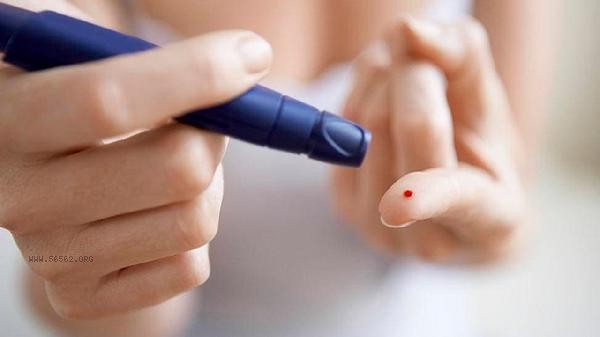
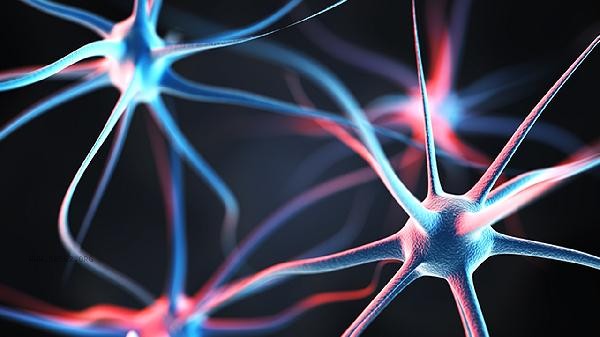
The peripheral neuritis of diabetes belongs to the category of diabetes and arthralgia syndrome in traditional Chinese medicine. The treatment needs to give consideration to nourishing yin and clearing heat, unblocking collaterals and relieving pain. The common methods include oral administration of traditional Chinese medicine, acupuncture and moxibustion, massage, acupoint application and diet conditioning. The peripheral neuritis of diabetes is mostly caused by long-term yin deficiency and dryness, blood stasis, or liver and kidney insufficiency. It is characterized by numbness, tingling, or hypoesthesia of limbs. TCM can improve symptoms and delay the progress of the disease through syndrome differentiation.

1. Oral administration of traditional Chinese medicine
For qi and yin deficiency type, Liuwei Dihuang Wan can be modified. For yin deficiency and blood stasis type, Taohong Siwu Tang combined with Shaoyao Gancao Tang is commonly used. For damp heat obstruction type, Simiao San can be modified. Traditional Chinese medicine needs to be adjusted according to the differentiation of tongue and pulse. For example, Huangqi Guizhi Wuwu Tang is suitable for Qi deficiency and blood stasis accompanied by cold and painful limbs, and contains warming and meridian promoting drugs such as Huangqi and Guizhi. During medication, it is necessary to monitor changes in blood sugar levels to avoid interaction with hypoglycemic drugs.
2. acupuncture and moxibustion therapy
The main points are Zusanli, Sanyinjiao, Yanglingquan and other spleen strengthening and moisture removing points, and local Ashi points are used to relieve pain. Electroacupuncture stimulation can improve nerve conduction velocity, and treatment every other day requires 10-15 sessions per course. For those with obvious burning sensation, blood can be added by puncturing the collaterals, and for lower limb edema, Yin Ling Quan can be used for piercing. Acupuncture and moxibustion should be operated by a professional doctor, and should be used with caution for patients with skin infection or coagulation disorders.
3. Massage Rehabilitation
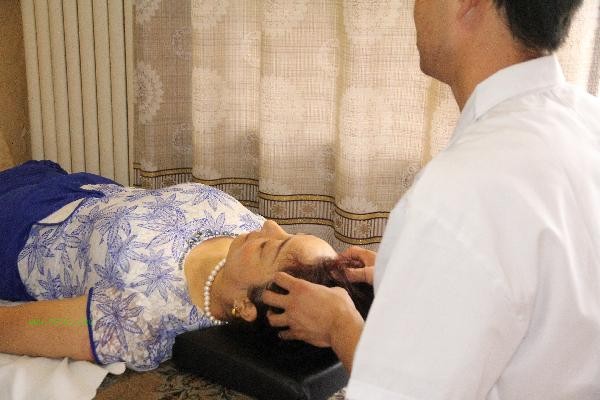
Perform point massage along the Foot Taiyin Spleen Meridian and Foot Shaoyang Gallbladder Meridian, with a focus on relaxing the gastrocnemius muscle and plantar fascia. Using rolling and kneading techniques to improve local circulation, combined with joint mobilization surgery to prevent foot deformities. Massage Yongquan acupoint and Bafeng acupoint for 5 minutes each daily, but manual therapy is prohibited for patients with skin damage or deep vein thrombosis.
4. Acupoint application
Apply blood activating drugs such as Chuanxiong, frankincense, and myrrh to the Yongquan acupoint or painful area, and exert pain relieving effects through transdermal absorption. In summer, you can use ice cream and mint paste to relieve burning sensation, and in winter, use Wentong plaster to promote circulation. The application time should not exceed 6 hours, and allergic constitution requires skin testing first.
5. Diet conditioning
It is recommended to eat yam and medlar Congee, yellow essence stewed lean meat and other yin nourishing ingredients, and avoid spicy and hot food. Bitter gourd, mulberry leaves, etc. have auxiliary hypoglycemic effects and can be consumed in moderation. Diet should control total calories and be paired with medicinal and edible ingredients such as Polygonatum sibiricum and Ophiopogon japonicus to make soup. Avoid high sugar fruits such as lychee and longan.
Patients with diabetes need to check their foot skin every day, and choose breathable shoes and socks to avoid squeezing. Persist in taking a 30 minute walk after meals to promote the circulation of qi and blood, but avoid walking barefoot. Regularly monitor blood glucose and glycated hemoglobin, and recheck liver and kidney function every 2 weeks during traditional Chinese medicine treatment. If foot ulcers, severe pain, or complete loss of sensation occur, seek medical attention immediately to prevent the condition from worsening. Traditional Chinese medicine regulation requires long-term adherence, and combined with modern medical treatment, it can significantly improve the quality of life.





Comments (0)
Leave a Comment
No comments yet
Be the first to share your thoughts!