
Female physical examinations usually include gynecological examinations, breast examinations, laboratory tests, and imaging examinations, which help to detect and prevent diseases early. The main physical examination items include gynecological routine examination, breast ultrasound, cervical cancer screening, blood routine examination, urine routine examination, ultrasound examination, etc.
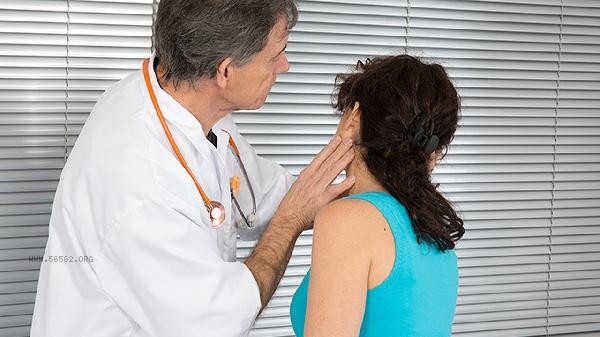
1. Routine gynecological examination
Routine gynecological examination mainly includes visual and palpation of the external genitalia, vagina, cervix, and uterus, which can detect common gynecological diseases such as external genitalia inflammation, vaginitis, and cervical erosion. The doctor will use a speculum to observe the condition of the vagina and cervix, and perform a double examination of the uterus and adnexa. It is recommended to undergo a gynecological routine examination once a year, with 3-7 days after menstruation being the best time for examination.
2. Breast ultrasound
Breast ultrasound is a non-invasive examination method that uses ultrasound to examine breast tissue. It can detect benign diseases such as breast hyperplasia, breast cysts, breast fibroadenoma, and also helps to detect breast cancer early. Women under 35 years old are recommended to undergo breast ultrasound examination once a year, while those over 35 years old can undergo breast mammography in combination. During the examination, the doctor will apply a coupling agent to the breast skin and conduct a comprehensive scan using a probe.
3. Cervical cancer screening
Cervical cancer screening mainly includes cervical cytology examination and human papillomavirus testing. Cervical cytology examination, also known as TCT examination, detects abnormal cell changes by collecting cervical exfoliated cells. HPV testing can detect high-risk human papillomavirus infection. It is recommended that women over the age of 21 who engage in sexual activity undergo cervical cancer screening every 3 years, and those over the age of 30 can undergo combined TCT and HPV testing every 5 years.

4. Blood routine examination
Blood routine examination is a method of extracting venous blood to detect indicators such as red blood cells, white blood cells, platelets, etc., which can detect problems such as anemia, infection, and blood system diseases. Before the examination, it is necessary to fast for 8-12 hours and avoid vigorous exercise and alcohol consumption. Abnormal blood routine may indicate iron deficiency anemia, inflammatory response, leukemia and other diseases, and further diagnosis is needed in combination with other examinations.
5. B-ultrasound examination
Gynecological B-ultrasound examination includes two methods: transabdominal and transvaginal, which can observe the size, shape, and structure of the uterus and ovaries, and detect diseases such as uterine fibroids, ovarian cysts, endometriosis, etc. Abdominal ultrasound requires holding urine to fill the bladder, while vaginal ultrasound does not require holding urine but requires emptying the bladder. It is recommended to undergo gynecological ultrasound examination once a year, with the most accurate results obtained 3-7 days after menstruation. Women should develop personalized physical examination plans based on their age, health condition, and doctor's advice. Women aged 20-30 should pay attention to gynecological routine examinations and breast examinations. Women aged 30 and above should strengthen cervical cancer screening and hormone level testing. Women aged 40 and above should pay attention to tumor markers and bone density examinations. Before the physical examination, sexual activity, vaginal medication, and vigorous exercise should be avoided, and loose clothing should be worn to facilitate the examination. After the physical examination, the report should be properly kept, any abnormal results should be promptly reviewed by medical personnel, and a health record should be established for regular tracking and comparison.









Comments (0)
Leave a Comment
No comments yet
Be the first to share your thoughts!