
The treatment options for chronic prostatitis should be determined based on the characteristics of the condition. Western medicine is more suitable for acute attacks or bacterial infections, while traditional Chinese medicine can be considered for chronic non bacterial prostatitis. Western medicine treatment mainly includes antibiotics, anti-inflammatory drugs, and physical therapy. Antibiotics such as levofloxacin tablets and cefixime dispersible tablets can effectively kill pathogens in bacterial prostatitis. Non steroidal anti-inflammatory drugs such as celecoxib capsules can alleviate pain and inflammation. Alpha receptor blockers such as tamsulosin sustained-release capsules can improve urinary difficulties. Western medicine treatment is effective quickly and suitable for controlling symptoms in the acute phase, but long-term use of antibiotics may lead to dysbiosis of the gut microbiota. Physical therapy such as prostate massage and microwave hyperthermia can promote local blood circulation.
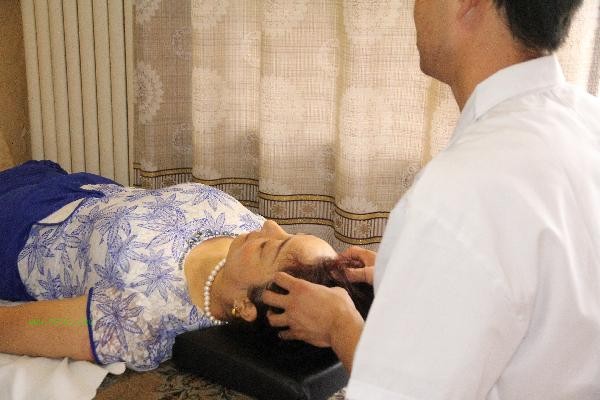
Traditional Chinese medicine treatment emphasizes overall regulation and treatment based on syndrome differentiation. The damp heat type commonly uses modified Bazheng San, the qi stagnation and blood stasis type often uses modified Prostate Decoction, and the kidney deficiency type often chooses Yougui Wan or Zuogui Wan. Traditional Chinese medicine enema and acupuncture and moxibustion can improve local microcirculation. Traditional Chinese medicine treatment has minimal side effects and is suitable for chronic disease regulation, but its effectiveness is slow and requires long-term persistence. Some traditional Chinese medicines may cause gastrointestinal discomfort and should be used under the guidance of a physician. Patients with chronic prostatitis should avoid prolonged sitting and holding urine. Daily warm sitz baths can alleviate discomfort. The diet should be light, limiting spicy and stimulating foods, and consuming foods rich in zinc and lycopene such as pumpkin seeds and tomatoes in moderation. Maintaining regular sexual activity can help with the discharge of prostate fluid, but excessive frequency should be avoided. Moderate anal lifting exercises can enhance pelvic floor muscle function. Regardless of the chosen treatment method, regular follow-up examinations are necessary and the plan should be adjusted according to the efficacy.




Comments (0)
Leave a Comment
No comments yet
Be the first to share your thoughts!