
High blood pressure in young people can be effectively reduced through lifestyle adjustments and necessary medical interventions. The main methods include improving diet, increasing exercise, controlling weight, reducing stress, and using medication if necessary.
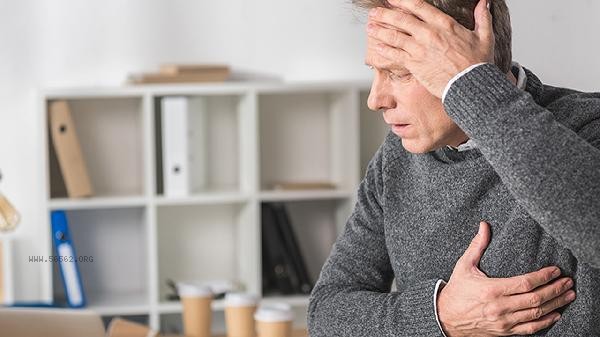
1. Dietary adjustments. Reduce sodium intake, keep the daily salt intake below 5 grams, and avoid high salt foods such as pickled foods and processed meats. Increasing potassium rich foods such as bananas, spinach, potatoes, etc. can help balance the sodium potassium ratio in the body. Eating more fiber rich foods such as whole grains, vegetables, and fruits can help lower blood pressure.
2. Increase physical activity. Engage in at least 150 minutes of moderate intensity aerobic exercise per week, such as brisk walking, swimming, cycling, etc. Exercise can enhance heart function, improve blood circulation, and thus lower blood pressure. Strength training can also be done in moderation, but excessive force should be avoided.

3. Control weight. Overweight and obesity are important risk factors for hypertension. By maintaining a healthy diet and regular exercise, controlling weight within the normal range can effectively lower blood pressure. For every kilogram of weight loss, blood pressure can decrease by about 1 millimeter of mercury.
4. Reduce stress. Long term mental stress can lead to elevated blood pressure. Relaxation techniques such as meditation, yoga, and deep breathing can effectively relieve stress. Maintaining sufficient sleep, 7-9 hours per night, can also help lower blood pressure.
5. Drug therapy. If blood pressure cannot be effectively controlled after lifestyle adjustments, doctors may recommend the use of antihypertensive drugs. Common antihypertensive drugs include diuretics, beta blockers, calcium channel blockers, etc. Specific medication should be taken under the guidance of a doctor and self medication should be avoided. High blood pressure in young people is a health issue that needs to be taken seriously. The above methods can effectively lower blood pressure and reduce the risk of cardiovascular disease. If blood pressure remains high or other discomfort symptoms occur, seek medical attention promptly and receive professional diagnosis and treatment.









Comments (0)
Leave a Comment
No comments yet
Be the first to share your thoughts!