
Women can generally undergo routine physical examinations during their menstrual period, but some examination items may be affected by the menstrual period. Menstruation is a physiological phenomenon of periodic shedding of the endometrium, and during physical examination, a comprehensive evaluation should be conducted based on specific project types and individual health conditions. Basic tests such as blood routine, urine routine, and liver function are usually not affected during menstruation, but it should be noted that menstrual blood may contaminate urine samples, leading to detection errors. gynecological examinations such as cervical smears and vaginal colposcopy are recommended to avoid menstruation as menstrual blood may interfere with vision and test results. Breast ultrasound, thyroid function testing, and other items unrelated to the reproductive system can be performed normally. Some women may experience anemia symptoms during their menstrual period, and if hemoglobin testing is required, they should inform their doctor in advance.
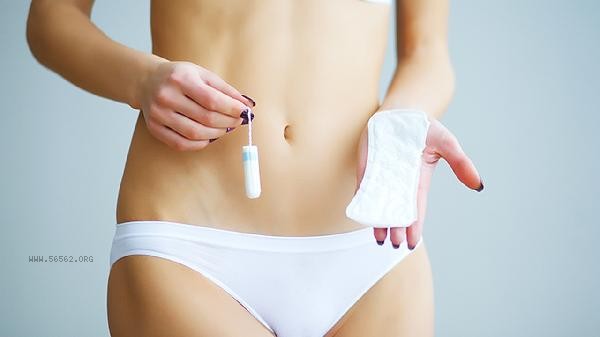
Some special inspections require careful timing selection. Invasive procedures such as hysteroscopy and hysterosalpingography may increase the risk of infection, and it is usually recommended to perform them 3-7 days after menstruation. Hormone level testing has strict time requirements, such as follicle stimulating hormone, luteinizing hormone, etc., which need to be collected during specific periods of the menstrual cycle. When using dual energy X-ray absorptiometry for bone density testing, the accuracy of the results may be affected by menstrual congestion in the pelvic area.
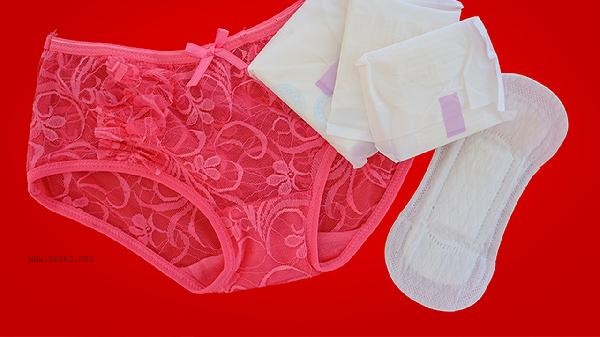
Adequate sleep should be maintained before the physical examination, and vigorous exercise and baths should be avoided. Wearing loose clothing for easy inspection and carrying hygiene products for timely replacement. If menstrual discomfort symptoms are obvious or the examination items involve the pelvic area, it is recommended to communicate with the doctor to adjust the physical examination time. After the physical examination, pay attention to keeping warm and resting, and supplement iron containing foods such as animal liver and spinach appropriately to help alleviate menstrual physical exertion.








Comments (0)
Leave a Comment
No comments yet
Be the first to share your thoughts!