
Narrowing of blood vessels can indeed lead to an increase in blood pressure, as the inner diameter of blood vessels decreases, blood flow resistance increases, and the heart requires greater pressure to push blood flow, thereby causing hypertension. The treatment methods include medication therapy, lifestyle adjustments, and surgical treatment.
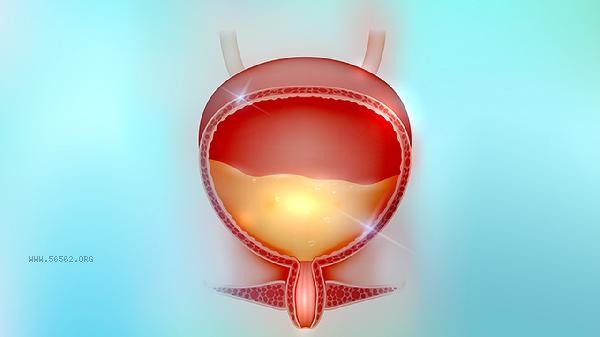
1. Causes of vascular stenosis
Vascular stenosis may be caused by multiple factors. Among genetic factors, familial hypercholesterolemia may lead to lipid deposition in the blood vessel wall, causing stenosis. Environmental factors such as long-term smoking and a high salt and high-fat diet can accelerate arteriosclerosis. Among physiological factors, aging, obesity, and lack of exercise can also increase the risk of vascular stenosis. Scar tissue formed after trauma such as vascular injury may lead to local stenosis. Among the pathological factors, atherosclerosis is the most common cause. Vasculitis, thrombosis and other diseases can also lead to vascular stenosis.
2. The relationship between vascular stenosis and elevated blood pressure
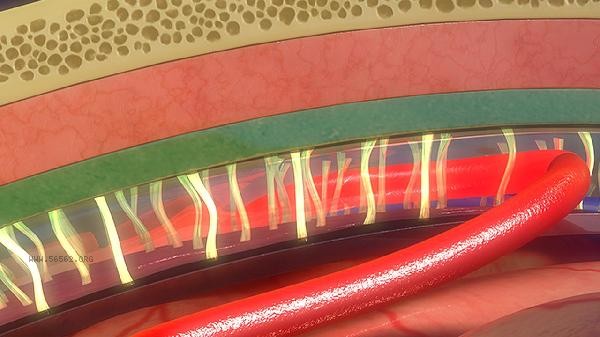
Vascular stenosis increases blood flow resistance, and the heart requires greater pressure to transport blood throughout the body. This compensatory mechanism can lead to elevated blood pressure. Long term hypertension can further damage the blood vessel wall, forming a vicious cycle. Vascular stenosis may also affect the blood supply to important organs such as the brain, heart, and kidneys, increasing the risk of cardiovascular and cerebrovascular diseases.
3. Treatment Methods
In terms of medication, commonly used drugs include antihypertensive drugs such as amlodipine and valsartan, lipid-lowering drugs such as atorvastatin and simvastatin, antiplatelet drugs such as aspirin and clopidogrel. These drugs can help control blood pressure, lower blood lipids, and prevent thrombosis. In lifestyle adjustments, it is recommended to have a low salt and low-fat diet, eat more vegetables and fruits, and reduce intake of saturated fatty acids. Moderate exercise such as brisk walking, swimming, and cycling, for at least 150 minutes per week. Quit smoking, limit alcohol consumption, and maintain a healthy weight. In terms of surgical treatment, for severely narrowed blood vessels, intervention therapy may be necessary, such as balloon dilation, stent implantation, or surgical procedures such as vascular bypass surgery. There is a close relationship between vascular stenosis and hypertension, and timely detection and treatment of vascular stenosis are crucial for controlling blood pressure. By comprehensively utilizing drug therapy, lifestyle adjustments, and necessary surgical interventions, blood pressure can be effectively controlled and the risk of cardiovascular and cerebrovascular diseases can be reduced. Regular physical examinations, monitoring of blood pressure and lipid levels, and early detection of signs of vascular stenosis are key to preventing hypertension and related complications. For individuals at risk of vascular stenosis, proactive preventive measures should be taken to maintain vascular health.









Comments (0)
Leave a Comment
No comments yet
Be the first to share your thoughts!