
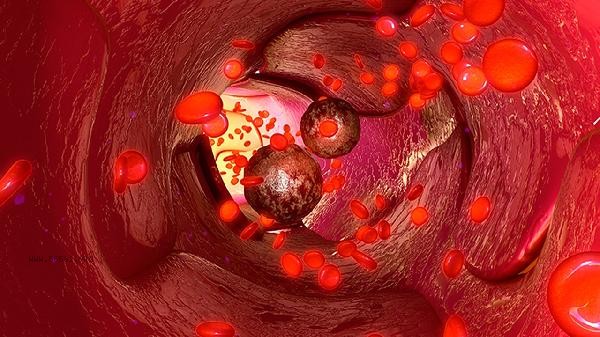
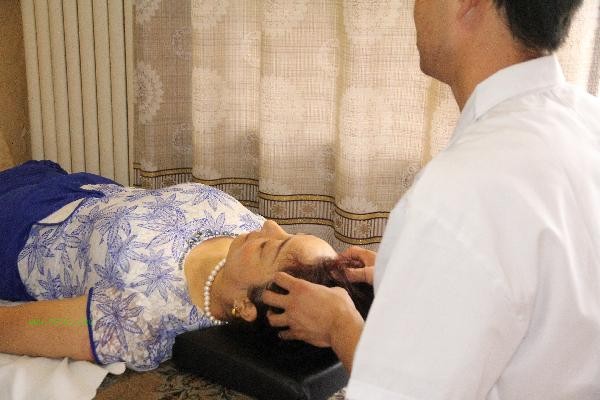
Tumors can be treated with traditional Chinese medicine, but it is usually used as an auxiliary method in conjunction with modern medicine's comprehensive treatment plan. Traditional Chinese medicine mainly works by regulating body functions, relieving symptoms, and reducing the side effects of radiotherapy and chemotherapy in the treatment of tumors. The core idea of traditional Chinese medicine in treating tumors is to strengthen the body and eliminate evil, and improve the overall condition of patients through syndrome differentiation and treatment. Common methods include Chinese medicine decoction, acupuncture and moxibustion, moxibustion, etc. Traditional Chinese medicine formulas such as Astragalus membranaceus and Codonopsis pilosula can enhance immunity, while heat clearing and detoxifying drugs such as Hedyotis diffusa and Scutellaria barbata have certain anti-tumor effects. Acupuncture and moxibustion can regulate the movement of qi and blood by stimulating specific points, alleviate cancerous pain and nausea and vomiting after radiotherapy and chemotherapy. Moxibustion warms the meridians and improves the common symptoms of yang deficiency in cancer patients. These methods have clear effects in reducing postoperative weakness, bone marrow suppression, and other aspects. Traditional Chinese medicine treatment has certain limitations. Relying solely on traditional Chinese medicine methods is difficult to completely eliminate malignant tumor cells, and the local control effect on solid tumors is not as effective as surgery and radiotherapy. Some components of traditional Chinese medicine may interact with chemotherapy drugs, affecting the therapeutic effect. The folk anti-cancer folk remedies lack scientific verification, and blind use may delay the timing of standardized treatment. When advanced cancer patients develop cachexia, excessive use of aggressive traditional Chinese medicine may increase the burden on the body.
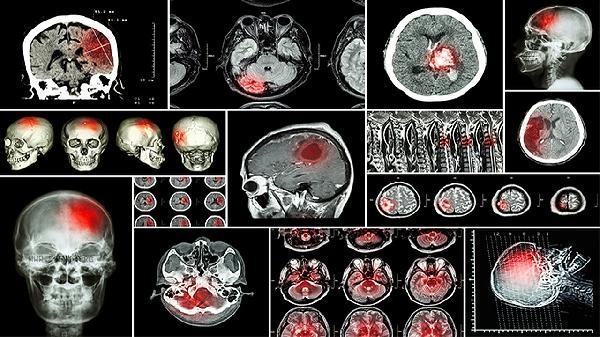
Cancer patients should seek treatment in the oncology department of a regular traditional Chinese medicine hospital, and individualized plans should be developed by Chinese medicine practitioners based on pathological types and stages. During the treatment period, it is necessary to regularly review tumor markers and imaging examinations to dynamically evaluate the efficacy. Maintain a balanced diet, practice health exercises such as the Eight Section Brocade appropriately, and avoid overexertion. If symptoms such as unexplained fever or sudden weight loss occur, the attending physician should be promptly informed to adjust the plan.






Comments (0)
Leave a Comment
No comments yet
Be the first to share your thoughts!