
Children with rhinitis can alleviate symptoms through traditional Chinese medicine treatment. Traditional Chinese medicine mainly treats rhinitis by taking Chinese medicine orally, applying acupoints, massage, acupuncture and moxibustion, diet conditioning, etc. Rhinitis may be related to external factors such as wind and cold, lung and spleen qi deficiency, and damp heat accumulation. It usually manifests as symptoms such as nasal congestion, runny nose, and sneezing.

1. Oral administration of traditional Chinese medicine
Traditional Chinese medicine will treat patients based on their constitution, and commonly used formulas include Xinyi Qingfei Yin, Yupingfeng San, etc. The type of lung spleen qi deficiency can be treated with modified Bu Zhong Yi Qi Tang, while the type of damp heat can be treated with modified Cang Er Zi San. Traditional Chinese medicine should be prepared by a Chinese medicine practitioner based on symptoms, and parents are not allowed to self medicate. During the treatment period, it is necessary to observe whether the child experiences symptoms such as decreased appetite or diarrhea.
2. Acupoint application
Sanfu plaster is a commonly used external treatment method, selecting acupoints such as Feishu and Dazhui to apply Xinwen medicine. The effect is better during the summer dog days, which can improve the blood circulation of the nasal mucosa. The application time should not be too long to avoid skin allergies. Parents should pay attention to observing whether the application area is red and itchy, and stop using it immediately if discomfort occurs.
3. Massage
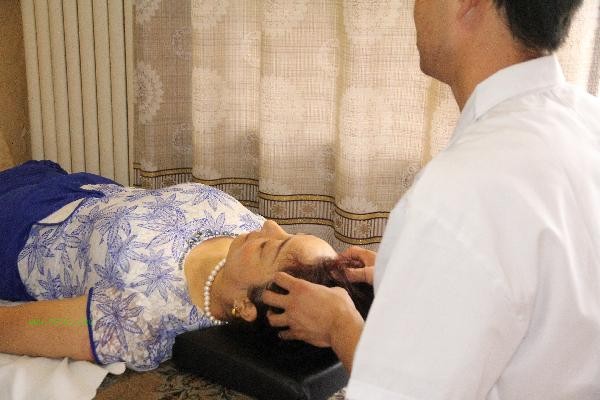
can massage the Yingxiang acupoint, Yintang acupoint, and other areas for 5-10 minutes each time, which helps to clear the orifice and stop runny nose. The technique should be gentle and combined with peppermint oil for better results. Parents are advised to do it once a day in the morning and once in the evening, and pay attention to keeping their fingers clean. Drink appropriate water after massage to promote metabolism.
4. acupuncture and moxibustion therapy
Acupuncture at Yingxiang, Hegu and other acupoints can relieve nasal congestion. It needs to be operated by a professional physician, and the needle retention time for children is relatively short. The treatment frequency is generally 2-3 times per week, with 4-6 times per course of treatment. Avoid getting cold during acupuncture and moxibustion, and parents need to soothe children's emotions with treatment.
5. Dietary regulation
For those with lung qi deficiency, they can eat lung nourishing ingredients such as yam and lily. For those with damp heat type, it is recommended to eat coix seed and adzuki beans. Avoid raw, cold, and greasy foods, and drink moderate amounts of Xinyi flower tea. You can boil pear water to moisten your lungs in daily life, and adding a small amount of Sichuan scallops will have a better effect. Dietary adjustments need to be maintained for a long time, and combined with other treatments can achieve better results. Traditional Chinese Medicine (TCM) treatment for pediatric rhinitis requires differentiation and treatment. It is recommended that parents take their children to a regular TCM hospital for treatment. During treatment, pay attention to keeping warm and cold, maintaining indoor air circulation, and avoiding contact with allergens such as pollen and dust mites. Engage in outdoor activities appropriately to enhance physical fitness, and have a light and easily digestible diet. If the symptoms continue to worsen or are accompanied by fever, timely medical examination should be sought to rule out other diseases. The combination of traditional Chinese and Western medicine may achieve better results, but all treatment plans should be carried out under the guidance of professional physicians.






Comments (0)
Leave a Comment
No comments yet
Be the first to share your thoughts!