
Traditional Chinese medicine can assist in the treatment of pulmonary nodules, but it is necessary to combine Western medicine diagnosis to clarify the nature of the nodules. The treatment of pulmonary nodules mainly includes Chinese medicine conditioning, acupuncture and moxibustion therapy, diet regulation, Qigong exercise, emotional care, etc.
1. Traditional Chinese Medicine Treatment
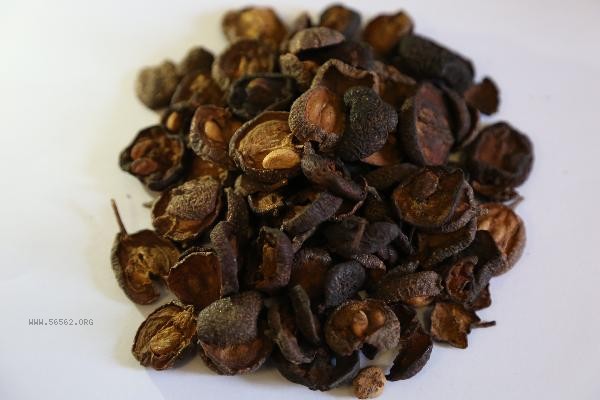
Traditional Chinese medicine believes that lung nodules are often related to phlegm and blood stasis, as well as qi stagnation and blood stasis. It is recommended to follow medical advice and use traditional Chinese medicines that promote blood circulation and remove blood stasis, such as Danshen tablets and Xuefu Zhuyu capsules. Some patients may experience cough and chest tightness symptoms, and can be treated with Chuanbei loquat syrup to moisten the lungs and relieve cough. It should be noted that the traditional Chinese medicine treatment course is relatively long, and regular chest CT scans should be conducted to observe changes in nodules.
2. acupuncture and moxibustion therapy
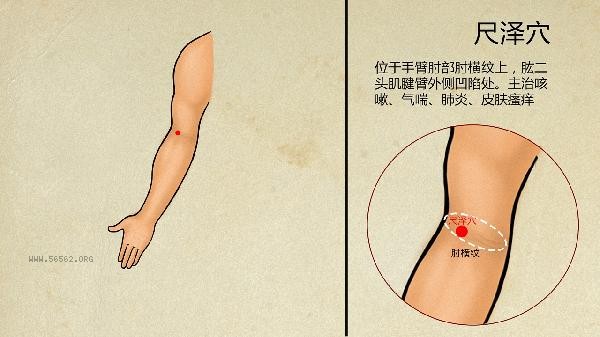
acupuncture and moxibustion may help improve pulmonary microcirculation by stimulating points such as Feishu and Tanzhong to regulate qi and blood circulation. For benign nodules with a diameter of less than 8 mm, acupuncture and moxibustion combined with moxibustion can alleviate shortness of breath. But this method is contraindicated when malignant nodules or concomitant hemoptysis occur.
3. Dietary regulation
Patients with pulmonary nodules should consume lung moistening ingredients such as lilies and Tremella fuciformis, and avoid spicy and stimulating foods. People with phlegm dampness constitution can drink tangerine peel and hawthorn tea in moderation, while those with yin deficiency constitution are suitable for making soup with Ophiopogon japonicus and Polygonatum sibiricum. Dietary regulation should be accompanied by physical constitution differentiation and cannot replace formal medical treatment.
4. Qigong Exercise
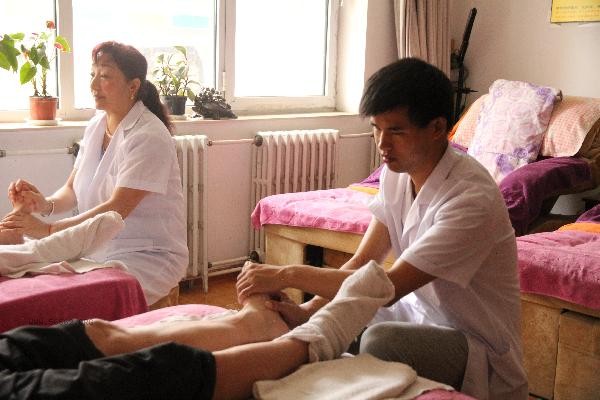
Traditional health practices such as Eight Section Brocade and Six Character Formula can improve lung function by regulating breathing, making them suitable for morning exercises for stable patients. During exercise, it is necessary to control the intensity and stop immediately if chest pain or difficulty breathing occurs. Exercise should be paused during the acute infection phase or when nodules rapidly grow.
5. Emotional regulation
Traditional Chinese medicine emphasizes the influence of emotional factors on diseases, and patients with pulmonary nodules are prone to anxiety. Meditation and music therapy can be used to relieve stress and avoid worrying and damaging the lungs. Family members should provide psychological support and seek professional psychological counseling if necessary. After discovering pulmonary nodules, it is necessary to promptly complete Western medicine examinations such as chest CT and tumor markers to clarify the nature. During traditional Chinese medicine treatment, imaging should be re examined every 3-6 months. If nodules enlarge or malignant features such as spiculation appear, immediate referral to thoracic surgery is necessary. Smoking cessation and avoidance of secondhand smoke are necessary in daily life, while maintaining a well ventilated living environment and reducing outdoor activities during hazy weather. Moderately engage in aerobic exercise such as brisk walking and swimming, but avoid excessive exercise that can cause pneumothorax. Pay attention to balanced nutrition in diet, control red meat intake, and eat more cruciferous vegetables.





Comments (0)
Leave a Comment
No comments yet
Be the first to share your thoughts!