
Menopausal night sweats can usually be treated with traditional Chinese medicine. Traditional Chinese medicine treatment for menopausal night sweats mainly includes nourishing yin and reducing fire, soothing the liver and relieving depression, strengthening the spleen and qi, warming and tonifying kidney yang, promoting blood circulation and removing blood stasis, and other methods. Menopausal night sweats may be related to factors such as liver and kidney yin deficiency, liver depression and qi stagnation, insufficient qi and blood, kidney yang deficiency, and blood stasis. It is recommended to seek medical attention in a timely manner and receive treatment based on syndrome differentiation under the guidance of a traditional Chinese medicine practitioner.
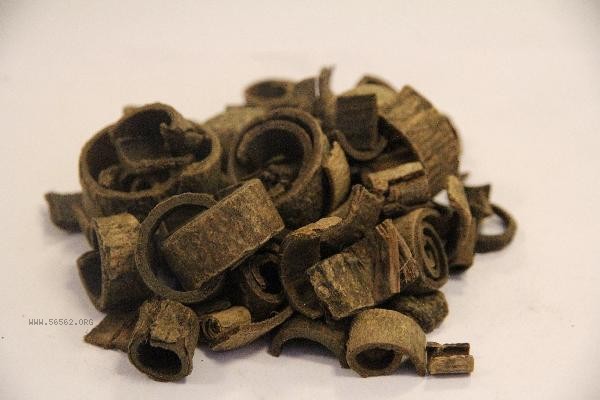
1. Nourishing Yin and Reducing Fire
Traditional Chinese medicine believes that menopausal night sweats are often related to liver and kidney yin deficiency and internal disturbance of deficiency fire, manifested as nighttime hot flashes, night sweats, restlessness of the five hearts, dry mouth and throat, and other symptoms. Traditional Chinese patent medicines and simple preparations such as Zhibai Dihuang Pill, Liuwei Dihuang Pill and Dabuyin Pill can be used to nourish yin and reduce fire. Daily consumption of Yin nourishing foods such as Tremella fuciformis, lilies, and black sesame seeds should be avoided, and spicy and irritating foods should be avoided.
2. Soothing the liver and relieving depression
Menopausal night sweats with liver stagnation and qi stagnation are often accompanied by emotional fluctuations, chest and rib pain, insomnia, and dreams. Traditional Chinese patent medicines and simple preparations such as Xiaoyao Pill, Chaihu Shugan San, Danzhi Xiaoyao Pill can be used to soothe the liver and relieve depression. It is important to maintain a relaxed mood and engage in soothing exercises such as Tai Chi and Eight Section Brocade to help regulate emotions.
3. Strengthening the spleen and nourishing qi
Menopausal night sweats caused by insufficient qi and blood are often manifested as alternating spontaneous sweating, shortness of breath, weakness, pale complexion, etc. Traditional Chinese patent medicines and simple preparations such as Guipi Pill, Buzhong Yiqi Pill, Ginseng Yangrong Pill can be used to strengthen the spleen and replenish qi. In terms of diet, you can eat more foods such as yam, red dates, lotus seeds, etc. that nourish qi and blood, to avoid excessive fatigue.
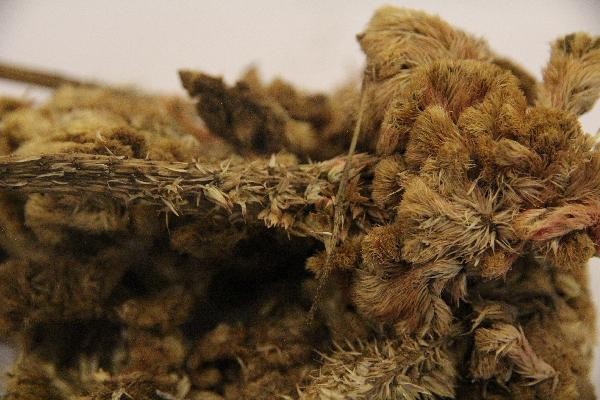
4. Warm and tonify kidney yang
Menopausal night sweats of kidney yang deficiency type are common symptoms such as cold limbs, soreness and weakness of the waist and knees, and frequent nocturia. Traditional Chinese patent medicines and simple preparations such as Jinkui Shenqi Pill, Yougui Pill, Guifu Dihuang Pill can be used to warm and nourish the kidney yang. In daily life, it is advisable to consume lamb, walnuts, and chives as warm and nourishing foods, and pay attention to keeping warm and avoiding the cold.
5. Promoting blood circulation and removing blood stasis
Menopausal night sweats caused by blood stasis and internal resistance are often accompanied by menstrual disorders, dull complexion, and purple tongue texture. Traditional Chinese patent medicines and simple preparations such as Xuefu Zhuyu Pill, Guizhi Fuling Pill and Taohong Siwu Decoction can be used to promote blood circulation and remove blood stasis. Drink rose tea, hawthorn tea and other blood activating drinks in moderation to avoid prolonged sitting. In addition to traditional Chinese medicine treatment, menopausal night sweats patients should also pay attention to maintaining a regular daily routine and avoiding staying up late; The diet should be light and nutritious, with more intake of soy products and fresh fruits and vegetables; Take appropriate walks, yoga sessions, and exercise; Maintaining a positive mindset can help alleviate stress through meditation, music, and other methods. If the symptoms persist or worsen, timely follow-up visits should be made to adjust the treatment plan, and it is not recommended to take traditional Chinese medicine on one's own for a long time.



Comments (0)
Leave a Comment
No comments yet
Be the first to share your thoughts!