
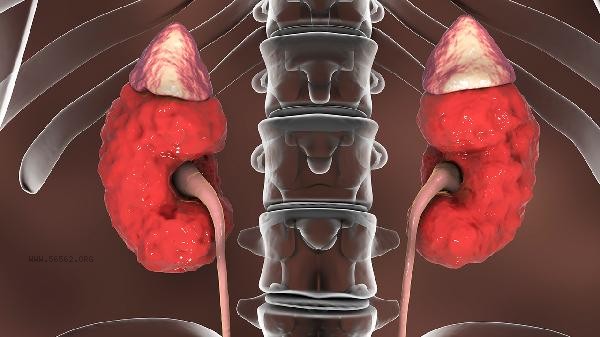
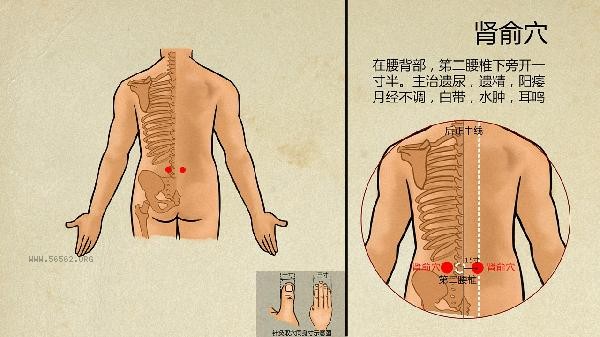
Traditional Chinese medicine can assist in the treatment of hypertensive nephropathy, but it cannot cure it completely. Hypertensive nephropathy is a kidney damage caused by hypertension. Traditional Chinese medicine treatment mainly delays the progression of the disease by regulating qi and blood, balancing yin and yang. Patients need to cooperate with Western medicine for blood pressure reduction and kidney protection treatment. Traditional Chinese medicine treatment based on syndrome differentiation can have a good effect on patients with hypertensive nephropathy in the stage of mild renal function impairment. For liver and kidney yin deficiency type, Liu Wei Di Huang Wan can be used to nourish kidney yin. For liver yang hyperactivity type, Tianma Gouteng Yin can be used to calm the liver and latent yang. For spleen and kidney yang deficiency type, Jin Kui Shen Qi Wan can be used to warm and nourish the spleen and kidneys. These prescriptions can improve the accompanying symptoms such as dizziness, tinnitus, waist and knee tenderness, and can enhance the curative effect with acupuncture and moxibustion at Taixi, Sanyinjiao and other acupoints. Traditional Chinese medicines such as Huangqi and Danshen have antioxidant and renal microcirculation improving effects, and can reduce urinary protein excretion. When hypertensive nephropathy progresses to a significant decline in renal function, the effectiveness of traditional Chinese medicine treatment alone is limited. At this time, the glomerular filtration rate significantly decreases and blood creatinine continues to rise, which may be accompanied by serious symptoms such as edema and anemia. Western medicine's antihypertensive combination therapy is needed, such as angiotensin converting enzyme inhibitors combined with diuretics, while protein intake must be restricted. Although traditional Chinese medicines such as rhubarb and cordyceps can delay the progression of renal failure to a certain extent, they cannot replace renal replacement therapy such as hemodialysis. During the period of traditional Chinese medicine treatment, patients with hypertensive nephropathy still need to regularly monitor their blood pressure and renal function indicators, maintain a low salt and high-quality protein diet, consume no more than 5 grams of sodium per day, and avoid using nephrotoxic traditional Chinese medicines such as Guan Mu Tong. It is recommended to seek treatment at a Traditional Chinese Medicine Nephrology specialist in a tertiary hospital. The physician should develop an individualized treatment plan based on the results of 24-hour urine protein quantification, glomerular filtration rate, and other tests. Do not take folk remedies on your own.





Comments (0)
Leave a Comment
No comments yet
Be the first to share your thoughts!