
Traditional Chinese medicine can be used as an auxiliary treatment for hepatitis B, but it cannot cure hepatitis B virus. Hepatitis B is a chronic liver disease caused by the infection of hepatitis B virus. Traditional Chinese medicine mainly plays a role in regulating the constitution, alleviating symptoms, improving liver function and other ways, but it cannot directly eliminate the virus. Antiviral treatment is still the core treatment of hepatitis B, and patients need to standardize drug use under the guidance of doctors.
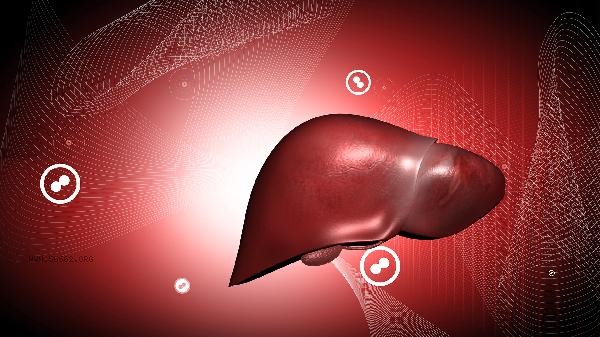
TCM treatment of hepatitis B mainly adopts the principle of syndrome differentiation, and uses corresponding prescriptions for different syndrome types. For liver depression and spleen deficiency type, Chaihu Shugan San is commonly modified. For damp heat and obstruction type, Yinchenhao Tang is often used for digestion. For liver and kidney yin deficiency type, Yiguan decoction is often selected for regulation. These prescriptions can improve symptoms such as fatigue, poor appetite, and lower back pain. Some traditional Chinese medicines such as Huangqi and Danshen have liver protecting and enzyme lowering effects. Acupuncture and moxibustion can regulate immune function by selecting Ganshu, Zusanli and other acupoints. However, attention should be paid to the possible hepatotoxicity of traditional Chinese medicine, and caution should be exercised when using ingredients such as Polygonum multiflorum and Poria cocos.
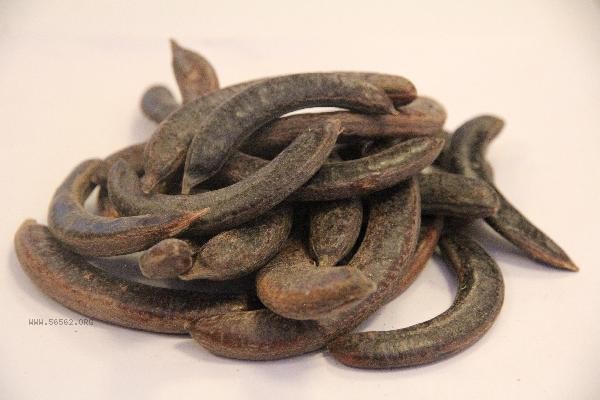
Modern medicine has confirmed that the replication of hepatitis B virus depends on the continuous existence of cccDNA in liver cells. At present, there is no Chinese medicine that can target clearance. Although traditional Chinese medicine treatment can improve quality of life, it cannot replace first-line antiviral drugs such as entecavir and tenofovir. Some patients blindly stop using antiviral drugs and switch to traditional Chinese medicine, which may lead to virus rebound and liver disease progression. Traditional Chinese medicine and Western medicine should be taken with a 2-hour interval to avoid interaction. Special populations such as pregnant women and patients with liver cirrhosis who use traditional Chinese medicine need to undergo strict risk assessment.
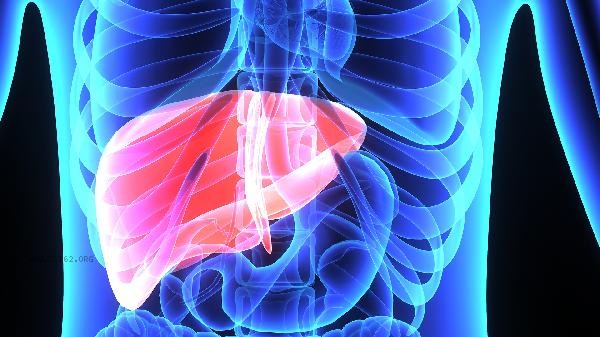
Patients with hepatitis B should monitor liver function, HBV-DNA and alpha fetoprotein every 3-6 months, and patients with cirrhosis should be examined by gastroscopy and ultrasound. The diet should be light, with moderate intake of high-quality protein such as fish and soy products, and strict abstinence from alcohol. Maintain a regular schedule and moderate exercise to avoid overexertion. If symptoms such as jaundice and ascites appear, seek medical attention promptly. The combination of traditional Chinese and Western medicine treatment should be carried out under the joint guidance of infectious disease specialists and traditional Chinese medicine practitioners, and the treatment plan cannot be adjusted by oneself.





Comments (0)
Leave a Comment
No comments yet
Be the first to share your thoughts!