
Traditional Chinese medicine can be used as an auxiliary treatment for Helicobacter pylori infection, but it needs to be combined with standard Western medicine therapy. The treatment of helicobacter pylori infection mainly includes triple therapy of western medicine, quadruple therapy of western medicine, auxiliary bacteriostasis of traditional Chinese medicine, spleen and stomach conditioning of traditional Chinese medicine, and auxiliary acupuncture and moxibustion of traditional Chinese medicine. It is recommended that patients use medication in a standardized manner under the guidance of a doctor to avoid relying solely on traditional Chinese medicine treatment.
1. Triple therapy of Western medicine
The standard therapy of Western medicine usually uses proton pump inhibitors combined with two antibiotics, such as omeprazole enteric coated capsules+amoxicillin capsules+clarithromycin tablets. This plan can directly kill Helicobacter pylori with a high eradication rate. During the treatment period, adverse reactions such as diarrhea and bitter mouth may occur, and it is necessary to follow the doctor's advice to complete the entire treatment process.
2. Western quadruple therapy
For drug-resistant strains or treatment failures, bismuth containing quadruple therapy can be used, such as bismuth potassium citrate capsules+rabeprazole sodium enteric coated tablets+tetracycline tablets+metronidazole tablets. Bismuth agents can destroy bacterial biofilms and enhance the effectiveness of antibiotics. During medication, liver and kidney function should be monitored to avoid excessive accumulation of bismuth.
3. Chinese herbal medicine assisted antibacterial
Some Chinese herbal medicines have antibacterial effects, such as berberine tablets and Scutellaria baicalensis extract, which can inhibit the activity of Helicobacter pylori. The commonly used Banxia Xiexin decoction in clinical practice contains ingredients such as Huanglian and Huangqin, which can alleviate symptoms such as stomach pain and acid reflux. But traditional Chinese medicine cannot replace antibiotics and needs to be taken 2 hours apart from Western medicine.
4. Chinese medicine recuperates the spleen and stomach
In the later stage of infection, traditional Chinese patent medicines and simple preparations such as Xiangsha Liujunzi Pill and Shenling Baizhu Powder can be used to recuperate the spleen and stomach function. These drugs contain ingredients such as Codonopsis pilosula and Atractylodes macrocephala, which can improve after effects such as loss of appetite and bloating. During the conditioning period, one should avoid eating raw, cold, greasy food to avoid exacerbating the burden on the gastrointestinal tract.
5. acupuncture and moxibustion assisted by Chinese medicine
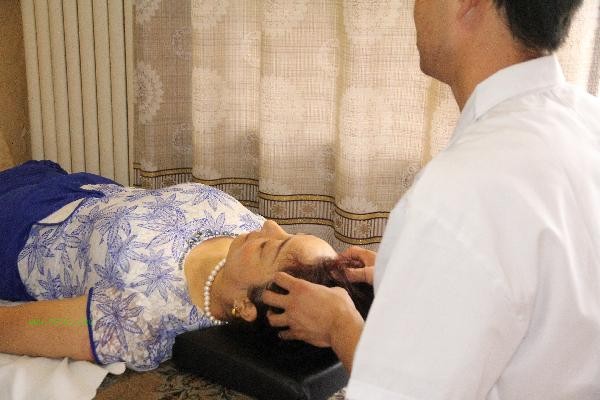
acupuncture and moxibustion at Zusanli, Zhongwan and other acupoints can regulate gastrointestinal peristalsis and help relieve symptoms such as belching and nausea. Ear acupressure targeting reflex areas such as the stomach and sympathetic system can alleviate discomfort during treatment. Acupuncture and moxibustion should be operated by professional doctors 2-3 times a week.
Patients with Helicobacter pylori infection should pay attention to serving of individual dishes every day to avoid cross infection caused by sharing tableware. The diet should be light and easy to digest. Eat more spleen strengthening foods such as yam and pumpkin, and avoid spicy, stimulating, and pickled foods. Regularly review the carbon-13/14 breath test during treatment to confirm the eradication effect. If severe abdominal pain, black stool and other symptoms occur, seek medical attention promptly and be alert to complications such as gastrointestinal bleeding.





Comments (0)
Leave a Comment
No comments yet
Be the first to share your thoughts!