
Traditional Chinese medicine can assist in the treatment of gout, but it needs to be combined with modern medical standards for treatment. Gout belongs to metabolic diseases. Traditional Chinese medicine can alleviate symptoms and reduce the frequency of attacks through syndrome differentiation and treatment, but it cannot cure the fundamental problem of abnormal uric acid metabolism.
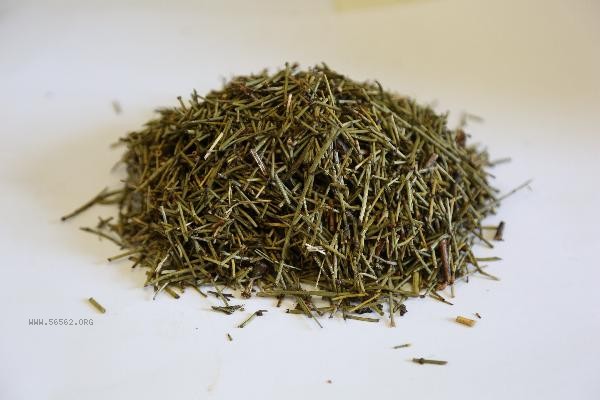
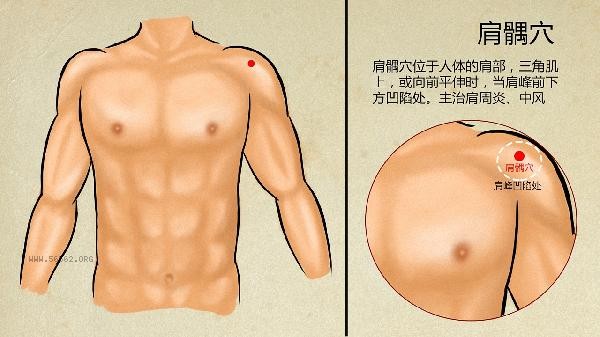
Traditional Chinese medicine mainly uses formulas that clear heat and dampness, promote blood circulation and remove blood stasis to treat gout, such as Simiao San and Danggui Niantong Tang. For acute joint redness, swelling, and pain, external application of Jinhuang powder or Xinhuang tablets can alleviate inflammation. During the chronic phase, medications such as Poria cocos and Poria cocos are commonly used to promote uric acid excretion. Acupuncture and moxibustion selects Zusanli, Sanyinjiao and other acupoints to regulate metabolism. Ear point pressing beans has a certain effect on pain relief. Some traditional Chinese patent medicines and simple preparations, such as Tongfengding Capsules and Tongfengshu Tablets, have been clinically verified to have auxiliary uric acid lowering effect.
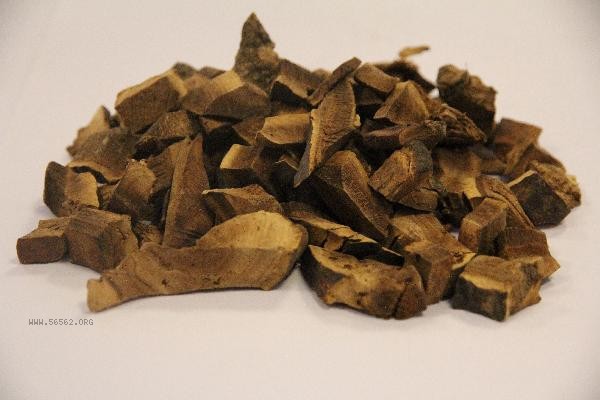
It should be noted that traditional Chinese medicine treatment alone has limitations. When the blood uric acid exceeds 540 micromoles per liter or gouty stones have appeared, it is necessary to combine Western medicine to reduce uric acid treatment. The combination of traditional Chinese medicine and western medicine such as allopurinol may increase the burden on liver and kidney function and requires strict monitoring. Some Chinese medicinal herbs containing aristolochic acid may cause kidney damage and should be avoided from use. When there is severe joint pain during acute attacks, priority should still be given to using nonsteroidal anti-inflammatory drugs to quickly control symptoms. Gout patients should maintain a low purine diet, limit the intake of high purine foods such as animal organs and seafood, and drink no less than 2000 milliliters of water per day. Avoid joint injuries caused by intense exercise, but engage in low impact exercises such as swimming and Tai Chi. Regularly monitor blood uric acid levels and control the values within the range of 300-360 micromoles per liter. If new joint pain or uric acid fluctuations occur during traditional Chinese medicine treatment, timely follow-up visits should be made to adjust the plan.





Comments (0)
Leave a Comment
No comments yet
Be the first to share your thoughts!