
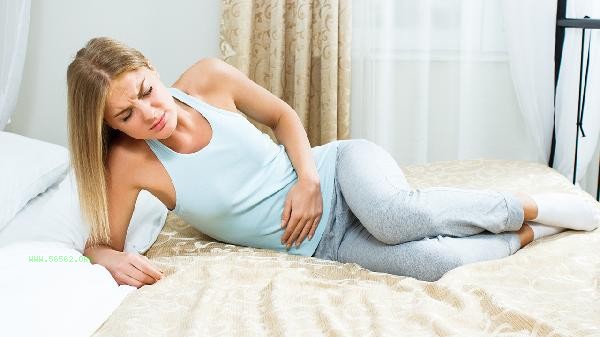
Traditional Chinese medicine can serve as an adjuvant treatment for gallstones, but it cannot completely replace Western medicine treatment. The treatment methods of gallstone mainly include Chinese medicine conditioning, acupuncture and moxibustion therapy, diet intervention, emotional regulation, exercise therapy, etc.
1. Traditional Chinese Medicine Conditioning
Some traditional Chinese medicines have the effect of promoting bile and removing stones, such as compound preparations composed of Jin Qian Cao, Yin Chen, and Da Huang. Traditional Chinese medicine can alleviate symptoms by promoting bile secretion and improving gallbladder contraction function. However, it should be noted that traditional Chinese medicine cannot dissolve cholesterol stones that have already formed, and long-term use may cause gastrointestinal discomfort. It is recommended to standardize medication under the guidance of a traditional Chinese medicine practitioner and avoid self compatibility.
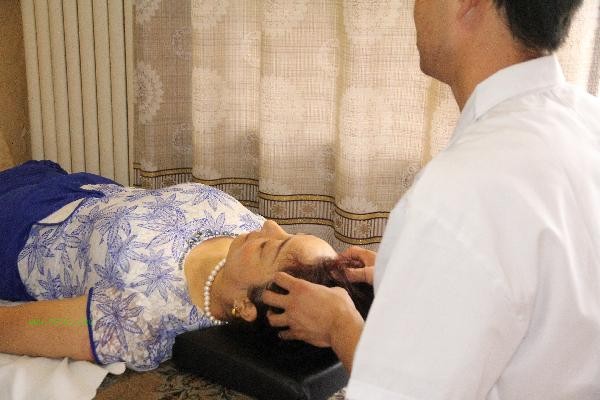
2. acupuncture and moxibustion therapy
Acupuncture of Danshu, Riyue and other specific points can alleviate the symptoms of biliary colic and improve the cholestasis. Clinically, electroacupuncture or moxibustion are often used to enhance the effect, which is suitable for situations with small stones and no acute infection. It should be operated by a professional acupuncture and moxibustion to avoid implementation during the acute inflammation period of the gallbladder.
3. Dietary Intervention
Traditional Chinese Medicine emphasizes avoiding greasy and spicy foods in diet, and recommends consuming foods such as hawthorn, tangerine peel, and white radish that regulate qi and promote digestion. According to modern medical advice, cholesterol intake should be controlled synchronously, with a daily fat intake not exceeding 50 grams. Regular small and frequent meals can help reduce the frequency of gallbladder contractions.
4. Emotional regulation
Traditional Chinese medicine believes that liver and gallbladder qi stagnation is related to emotions, and emotional fluctuations are regulated through the method of soothing the liver and relieving depression. Ear acupressure and pentatonic therapy can be used to improve anxiety and depression. Maintaining emotional stability can help reduce gallbladder spasms, but it needs to be combined with other treatment methods.
5. Exercise therapy
Soft and gentle exercises such as Ba Duan Jin and Tai Chi can promote the circulation of qi and blood, and assist in improving bile metabolism. It is recommended to engage in 30 minutes of low-intensity exercise daily to avoid severe exercise induced biliary colic. Exercise therapy requires long-term persistence to show results. Patients with gallstones should undergo regular follow-up ultrasound monitoring to monitor changes in the stones. For those with a diameter exceeding 10 millimeters or accompanied by recurrent infections, surgical resection is recommended. During traditional Chinese medicine treatment, if symptoms such as fever, persistent abdominal pain, jaundice, etc. occur, seek medical attention immediately. Strict abstinence from alcohol is required in daily life, maintaining a normal weight range, and undergoing annual liver and gallbladder system examinations. For patients with small stones, they can try comprehensive traditional Chinese medicine treatment for 3-6 months. If there is no effect, they should be promptly referred to Western medicine for treatment.



Comments (0)
Leave a Comment
No comments yet
Be the first to share your thoughts!