
Traditional Chinese medicine can treat endocrine disorders, mainly by regulating qi and blood, balancing yin and yang, soothing the liver and relieving depression, and improving symptoms. Endocrine disorders may be related to factors such as emotional distress, improper diet, loss of leisure, congenital endowment deficiency, exogenous evil, etc. Traditional Chinese medicine commonly uses traditional Chinese medicine decoction, acupuncture and moxibustion, massage, dietotherapy and other methods for comprehensive intervention.
1. Traditional Chinese Medicine Regulation
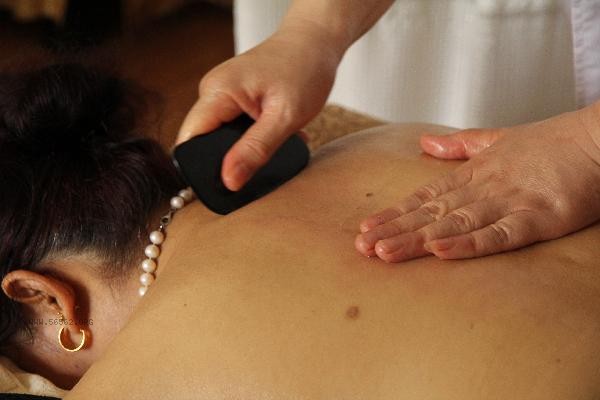
Traditional Chinese Medicine selects different formulas based on syndrome differentiation. For example, Xiaoyao Wan can be used to soothe the liver and invigorate the spleen for liver stagnation and qi stagnation type, Liuwei Dihuang Wan can be used to nourish yin and kidney for kidney yin deficiency type, and Erchen Tang can be used to dissolve phlegm and eliminate dampness for phlegm dampness resistance type. Commonly used Chinese medicinal herbs include Angelica sinensis, Paeonia lactiflora, Bupleurum chinense, etc., which need to be combined by a physician according to individual conditions. Traditional Chinese medicine conditioning needs to be persisted for a period of time, and the effect is better when combined with lifestyle adjustments.
2. acupuncture and moxibustion therapy
acupuncture and moxibustion regulates endocrine function by stimulating specific points, including Sanyinjiao, Guanyuan, Zusanli, etc. For the irregular menstruation caused by polycystic ovary syndrome, acupuncture and moxibustion can help restore ovulation function; For thyroid dysfunction, acupuncture and moxibustion can assist in regulating thyroid hormone secretion. The treatment should be performed by professional acupuncture and moxibustion, with 10-15 times as a course of treatment.
3. Tuina Massage
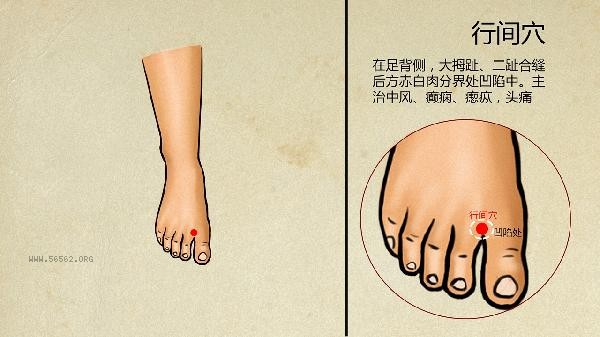
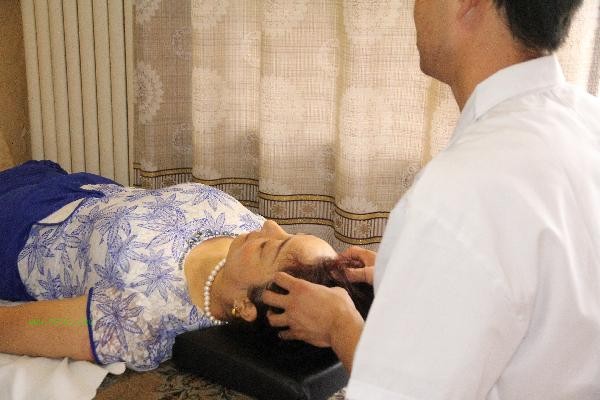
Tuina improves the circulation of qi and blood through meridian regulation, and is particularly suitable for pressure type endocrine disorders. Focus on massaging acupoints related to the liver and spleen meridians, such as Taichong and Xuehai, to alleviate hormone secretion abnormalities caused by emotional tension. Combined with moxibustion to warm and replenish yang qi, it has a certain improvement effect on menopausal syndrome and postpartum endocrine disorders.
4. Dietary Maintenance
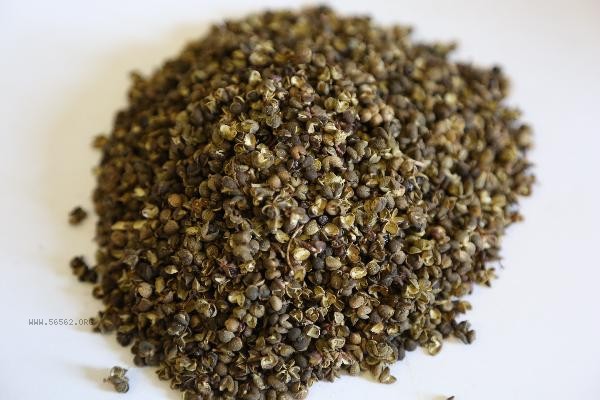
Choose a dietary therapy plan based on your constitution. For those with yin deficiency, you can eat Tremella fuciformis Lotus Seed Soup to nourish yin. For those with qi deficiency, you can use Huangqi stewed chicken to supplement qi. For those with blood stasis, hawthorn brown sugar water is suitable for promoting blood circulation. Avoid raw, cold, and greasy foods, and consume soy products in moderation to regulate estrogen levels. Regularly schedule three meals to avoid excessive dieting or overeating that can affect metabolism.
5. Emotional regulation
Traditional Chinese medicine believes that emotional factors are an important cause of endocrine disorders. By using pentatonic therapy, meditation, and Eight Section Brocade to soothe emotions, we can avoid long-term anxiety and depression affecting the function of the hypothalamic pituitary target axis. Establish a regular schedule, ensure adequate sleep, and avoid excessive fatigue that exacerbates endocrine disorders.
Traditional Chinese Medicine emphasizes overall regulation and individualized treatment for endocrine disorders, which should be carried out under the guidance of professional physicians. During the treatment period, hormone levels should be regularly rechecked and evaluated for efficacy in conjunction with modern medical examinations. Maintain moderate exercise such as Tai Chi, walking, etc., avoid staying up late and emotional fluctuations, pay attention to changes in menstrual cycle, weight, skin, etc., and if necessary, combine traditional Chinese and Western medicine treatment to improve the effect.





Comments (0)
Leave a Comment
No comments yet
Be the first to share your thoughts!