
Traditional Chinese medicine can help control the symptoms of diabetes, but it cannot cure diabetes completely. Diabetes is a chronic metabolic disease. the combination of traditional chinese medicine and western medicine can help to improve symptoms and delay complications.

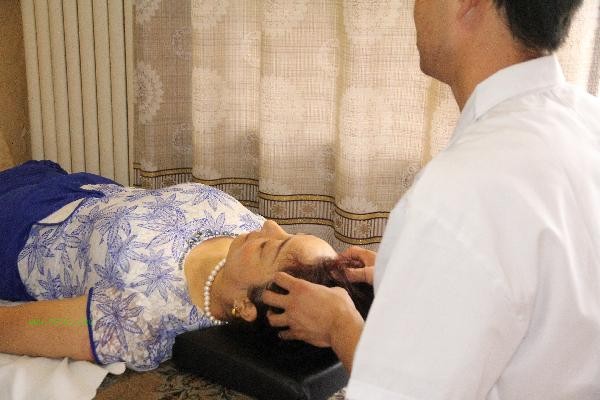
TCM regulates diabetes individually through syndrome differentiation. For early patients with type 2 diabetes, traditional Chinese medicine prescriptions such as Xiaoke Pill and Liuwei Dihuang Pill can help regulate blood glucose metabolism and improve insulin resistance. Acupuncture and moxibustion may promote insulin secretion by stimulating specific points such as Zusanli, Yishu, etc. Some Chinese herbal medicines such as Huangqi, Huanglian, and Mulberry Leaves contain hypoglycemic active ingredients, but should be used under the guidance of a doctor. Traditional Chinese dietary therapy emphasizes controlling total calorie intake and recommends consuming low glycemic index foods such as bitter gourd and yam. Traditional exercises such as Qigong and Baduanjin can assist in improving insulin sensitivity.
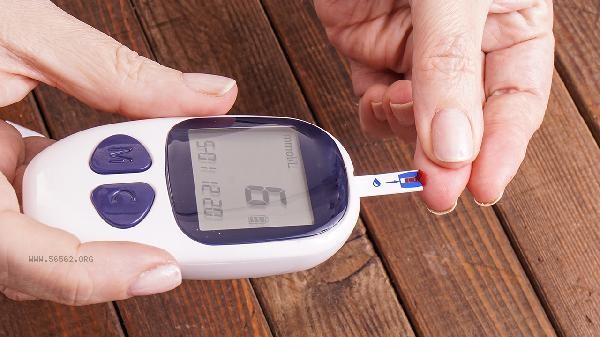
diabetes needs long-term comprehensive management. Patients should regularly monitor blood sugar and cooperate with western medicine. During the period of traditional Chinese medicine regulation, it is necessary to avoid discontinuing hypoglycemic drugs or changing insulin dosage on one's own. Diabetes in pregnancy, type 1 diabetes and serious complications should be mainly treated by western medicine. When Chinese medicine is used to treat children with diabetes, parents should strictly supervise medication and diet. Before using any traditional Chinese medicine, liver and kidney toxicity must be ruled out, and there may be interactions with Western medicine.
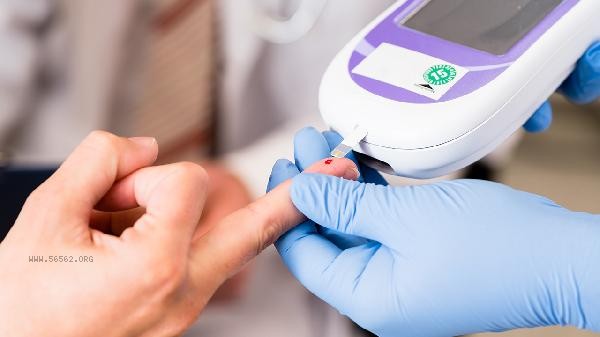
diabetes patients should establish regular work and rest, and take 30 minutes of moderate intensity exercise such as fast walking and swimming every day. Control refined sugar and saturated fat intake in diet, increase whole grains and dietary fiber. Regularly check glycated hemoglobin and indicators such as fundus and kidney function. Seek medical attention promptly if symptoms such as excessive drinking, frequent urination, worsening weight loss, or unhealed wounds occur. Maintain an optimistic attitude and avoid anxiety affecting blood sugar fluctuations. Family members should provide sufficient support and supervision.





Comments (0)
Leave a Comment
No comments yet
Be the first to share your thoughts!