
Traditional Chinese medicine can be used as an auxiliary treatment for diabetes, but it cannot completely replace western medicine. Diabetes is a chronic metabolic disease. Traditional Chinese medicine treatment mainly plays a role by regulating physique and improving symptoms. Common ways include traditional Chinese medicine conditioning, acupuncture and moxibustion, massage, etc., but blood sugar control still needs to be mainly controlled by western medicine and lifestyle intervention.
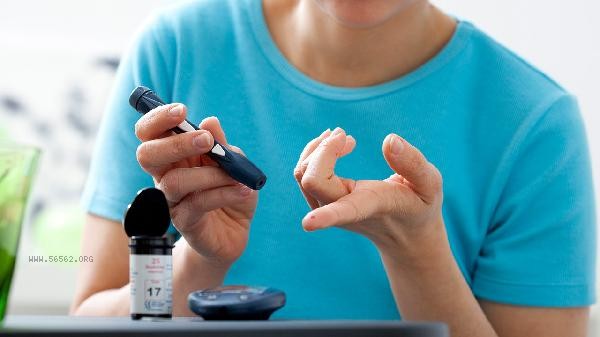
Traditional Chinese medicine treatment of diabetes is mainly aimed at early or mild patients. It can improve symptoms such as thirst, excessive drinking and fatigue through the principles of nourishing yin and clearing heat, invigorating the spleen and replenishing qi. Commonly used prescriptions such as Liuwei Dihuang Pill and Yunvjian can assist in regulating glucose metabolism. acupuncture and moxibustion points such as Spleen Shu and Zusanli can help improve insulin resistance. Some traditional Chinese medicines such as Huangqi and Huanglian have been proven by modern research to have hypoglycemic components, but their effects are relatively mild.
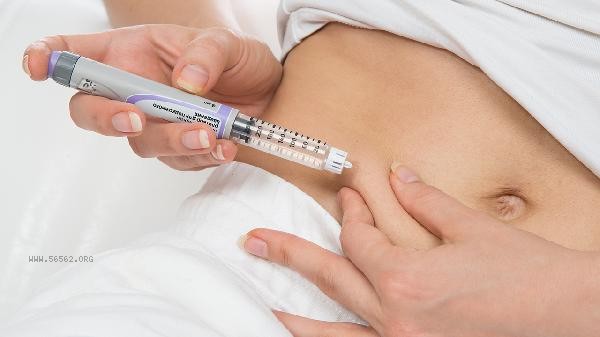
For patients with advanced diabetes, TCM treatment has obvious limitations. When complications such as ketoacidosis and severe peripheral neuropathy occur, it is necessary to rely on insulin injection or Western medicine for control. Although traditional Chinese medicine has certain effects in relieving symptoms such as wound healing and nerve numbness, it cannot reverse pancreatic beta cell dysfunction. The combination of some traditional Chinese medicines and hypoglycemic drugs may also increase the risk of hypoglycemia.
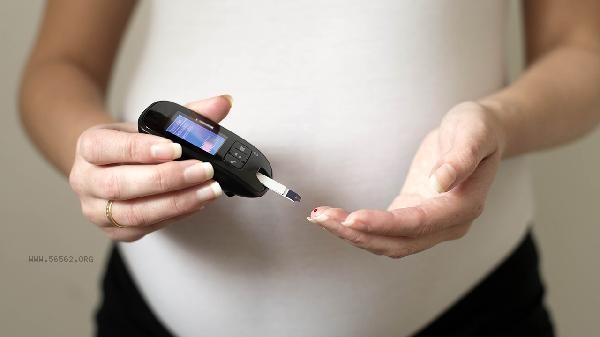
It is recommended that patients with diabetes should use metformin, insulin and other western medicines in a standardized manner, and then be treated with traditional Chinese medicine after syndrome differentiation by professional Chinese medicine practitioners. It is necessary to strictly monitor blood sugar, control carbohydrate intake, and maintain regular exercise in daily life to avoid relying solely on traditional Chinese medicine treatment to delay the condition. Regular rechecks of glycated hemoglobin and screening for complications are key to management.


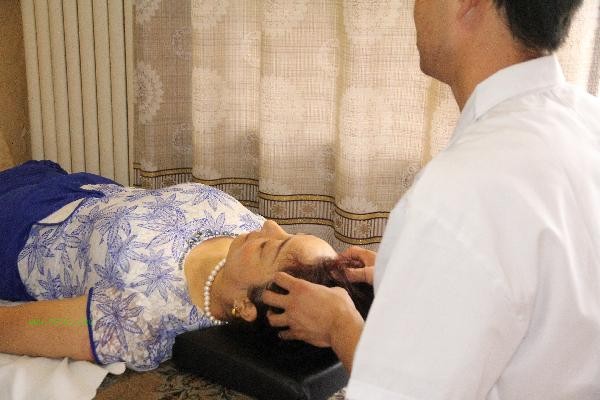



Comments (0)
Leave a Comment
No comments yet
Be the first to share your thoughts!