
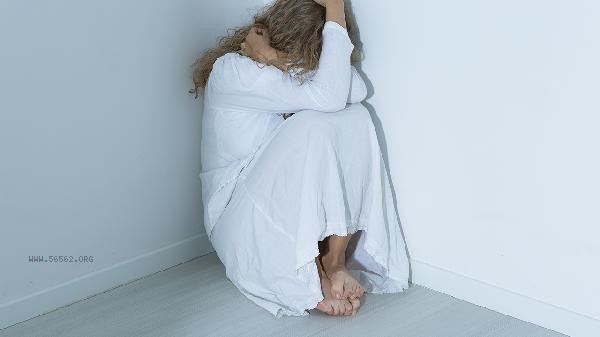
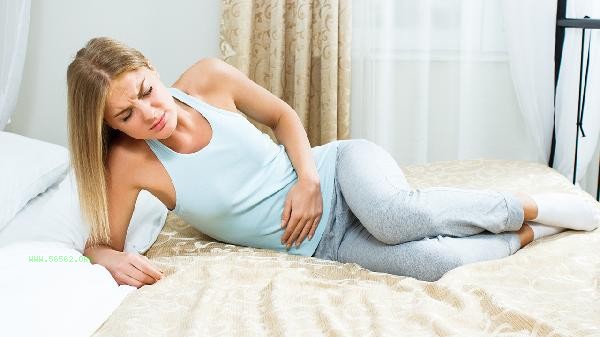
Traditional Chinese medicine can assist in the treatment of depression and anxiety, but it needs to be combined with modern medical comprehensive intervention. TCM treatment mainly improves symptoms by means of syndrome differentiation, Chinese medicine conditioning, acupuncture and moxibustion therapy, emotional conditioning, guiding methods, etc. In serious cases, it is recommended to seek medical advice in time and cooperate with psychotherapy or drug therapy.
1. Dialectical Treatment
Traditional Chinese medicine categorizes depression and anxiety into depression syndrome, visceral restlessness, and other types based on individual differences, including liver qi stagnation, heart spleen deficiency, and liver kidney yin deficiency. Patients with liver qi stagnation may present with chest and rib distension and low mood, and commonly use Chaihu Shugan San with modifications; Patients with both heart and spleen deficiency accompanied by palpitations, insomnia, and decreased appetite can use Guipi Tang for regulation. Professional traditional Chinese medicine practitioners need to use targeted medication after identifying the syndrome type through observation, hearing, questioning, and cutting.
II. Traditional Chinese Medicine Conditioning
The commonly used traditional Chinese patent medicines and simple preparations against depression and anxiety include Jieyu Anshen Granules, Shugan Jieyu Capsules, Xiaoyao Pills, etc. Jieyu Anshen Granules contain ingredients such as Chaihu and Baishao, and are suitable for depression of liver stagnation and qi stagnation type; Shugan Jieyu Capsules mainly use Hypericum perforatum as the main medicine, which can alleviate insomnia and dreams associated with mild to moderate depression. Traditional Chinese medicine needs to be taken continuously for 4-8 weeks to take effect, during which regular follow-up visits are required to adjust the formula.
III. acupuncture and moxibustion therapy
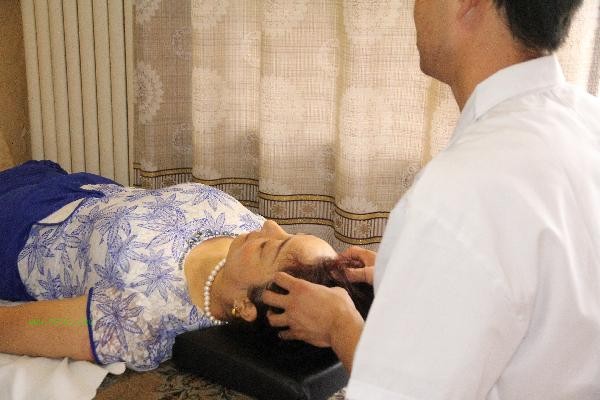
Acupuncture was performed at Baihui, Yintang, Neiguan, Taichong and other acupoints to improve mood by regulating the levels of 5-hydroxytryptamine and norepinephrine. Electroacupuncture stimulation of Yintang acupoint has a significant effect on anxiety induced insomnia, and ear acupressure therapy commonly uses acupoints such as Shenmen, Xin, and Gan. Acupuncture and moxibustion treatment requires 3 times a week, 10 times as a course of treatment, which may lead to local acid swelling and other mild reactions.
Fourth, Emotional Adjustment
uses the method of empathy to relieve emotions, such as music therapy using the palace style piece "Youlan" to alleviate depression, and the horn style piece "Eighteen Beats of Hujia" to relieve anxiety. The theory of the Five Consciousnesses Triumph advocates that anger triumphs over thought and joy triumphs over worry, and attention can be diverted through appropriate venting or cultivating interests and hobbies. It is recommended to practice 30 minutes of mindfulness meditation or breathing exercises daily.
Fifth, Guiding Technique
The Eight Section Brocade includes movements such as shaking the head and tail to dispel internal heat, and using both hands to support the celestial principles and triple focus, which can regulate autonomic nervous system function. Tai Chi techniques such as cloud hand and bird tail pulling can improve somatic symptoms. It is recommended to practice 3-5 times a week for 20-30 minutes each time, accompanied by reverse abdominal breathing. The bear play and bird play in the Five Animal Play have a good effect on relieving physical symptoms of anxiety. During traditional Chinese medicine treatment, it is important to maintain a regular daily routine and avoid excessive fatigue and staying up late. Eat moderate amounts of nourishing and calming ingredients such as wheat, lilies, and lotus seeds, and avoid stimulating drinks such as strong tea and coffee. When symptoms continue to worsen or suicidal tendencies occur, immediate referral to a psychiatric and psychological department is necessary. The combination of traditional Chinese and Western medicine treatment can significantly improve the efficacy. Family members of patients should provide sufficient emotional support, cooperate with doctors to supervise medication and follow-up visits.



Comments (0)
Leave a Comment
No comments yet
Be the first to share your thoughts!