
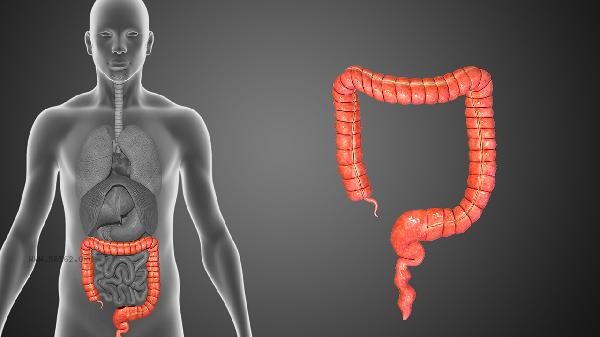
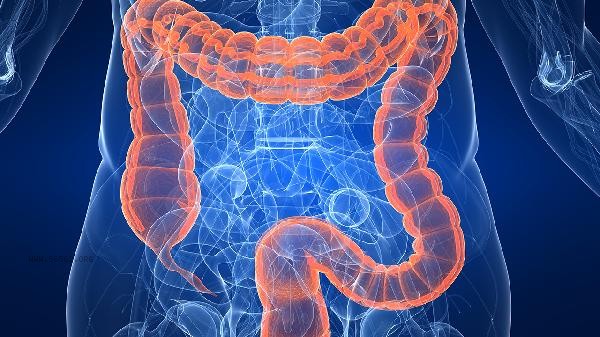
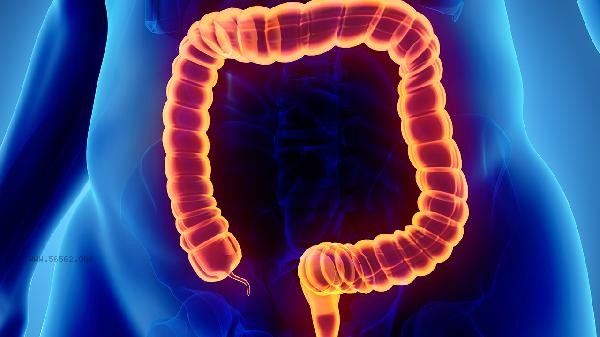
Traditional Chinese medicine can assist in the treatment of colitis, but it is a holistic approach and cannot completely replace modern medical treatment. Colitis can be divided into acute and chronic phases, and traditional Chinese medicine is more suitable for symptom control in the chronic phase. Traditional Chinese medicine categorizes colitis as "dysentery" and "diarrhea", and treatment based on syndrome differentiation can improve some symptoms. For patients with mild chronic colitis, Ge Gen Qin Lian Tang is commonly used with modifications for damp heat type, Shen Ling Bai Zhu San is used for spleen deficiency type, and Huo Xiang Zheng Qi San is used for cold and damp type. Acupuncture and moxibustion points such as Zusanli and Tianshu can adjust gastrointestinal function. Traditional Chinese medicine enema therapy such as Bai Tou Weng Tang retention enema can directly act on the colon mucosa. Some traditional Chinese patent medicines and simple preparations, such as Bupi Yichang Pill and Guben Yichang Tablet, have certain effects on relieving diarrhea and abdominal pain. Traditional Chinese medicine treatment has obvious limitations. During acute attacks of bacterial or ulcerative colitis, traditional Chinese medicine has a slow onset of action and limited anti infective effects, and antibiotics or immunosuppressants should be given priority. Serious complications such as intestinal perforation require surgical intervention. Traditional Chinese medicine diagnosis relies on subjective syndrome differentiation, and the lack of objective evidence such as colonoscopy may delay the condition. Some traditional Chinese medicines pose a risk of liver and kidney function damage, and long-term use requires monitoring. It is more reasonable to use a combination of traditional Chinese and Western medicine for the treatment of colitis patients. In the acute phase, Western medicine is mainly used to control inflammation, and in the remission phase, traditional Chinese medicine can be combined for regulation. Avoid spicy and stimulating diets in daily life, maintain a regular schedule, strictly follow medical advice for medication, and regularly undergo colonoscopy. Emergency symptoms such as rectal bleeding and fever should be promptly reported to the gastroenterology department.




Comments (0)
Leave a Comment
No comments yet
Be the first to share your thoughts!