
Traditional Chinese medicine can assist in the treatment of cerebral blood supply deficiency, but it needs to be combined with modern medical comprehensive intervention. Cerebral blood supply insufficiency may be related to factors such as arteriosclerosis, cervical spondylopathy, and microcirculation disorders. Traditional Chinese medicine improves symptoms through acupuncture and moxibustion, traditional Chinese medicine, and massage, but severe vascular stenosis or acute ischemia still needs to be treated with Western medicine in priority.
I. acupuncture and moxibustion therapy
Acupuncture at Baihui, Fengchi and other acupoints can promote local blood circulation, alleviate dizziness, blurred vision and other symptoms. In clinical practice, electroacupuncture is often used to enhance stimulation effects and is suitable for patients with chronic cerebral ischemia, but it is contraindicated for those with coagulation dysfunction.
2. Traditional Chinese Medicine Conditioning
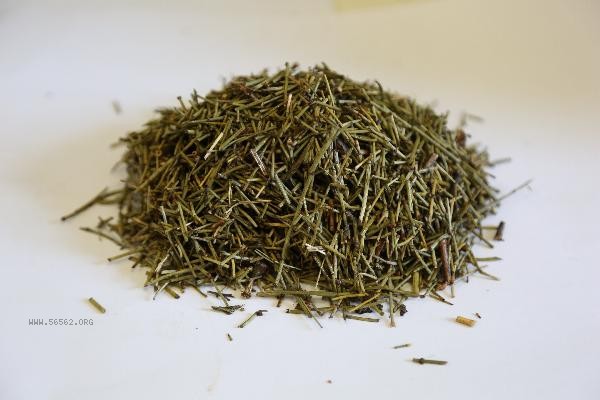
Compound Danshen Dripping Pills can dilate cerebral blood vessels, while Ginkgo biloba extract tablets improve microcirculation. Both require long-term use. Formulas such as Xuefu Zhuyu Tang can be used for the diagnosis and treatment of qi stagnation and blood stasis type patients, while those with weak spleen and stomach need to adjust their compatibility.
III. Massage Intervention
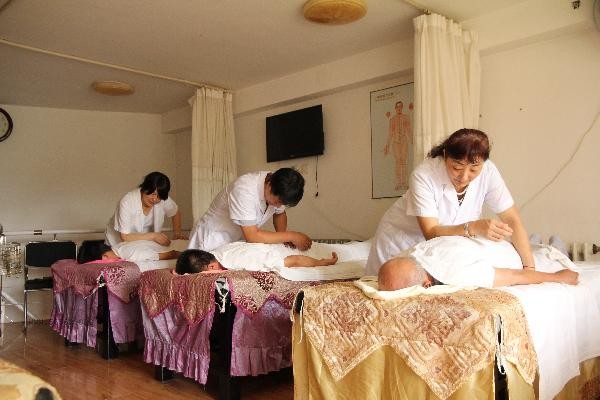
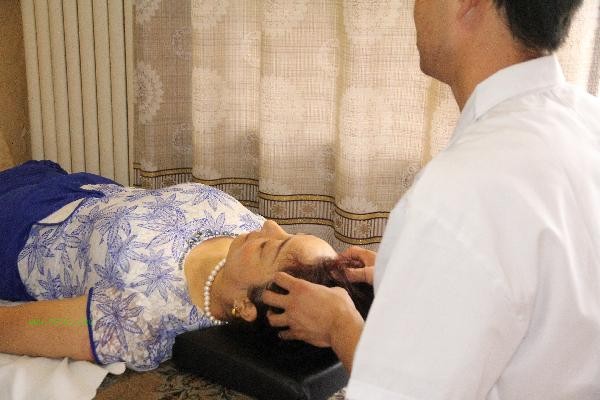
Neck acupoint massage combined with meridian massage can reduce vertebral artery compression and improve blood supply to the vertebral basilar artery. It should be operated by a professional physician to avoid violent methods that may cause vascular damage. Patients with cervical spondylotic myelopathy are contraindicated.
Fourth, Guiding Techniques
Traditional exercises such as Ba Duan Jin and Wu Qin Xi enhance cardiovascular function by regulating breathing and posture, indirectly improving blood supply to the brain. It is recommended to practice 3-5 times a week and pause during acute attacks.
Fifth, Dietary Adjustment
Hawthorn, black fungus and other blood activating ingredients can assist in regulation, but should be avoided from being taken together with anticoagulant drugs. Those with yin deficiency and fire hyperactivity should be careful to use warm tonic Tonic Diet, and hypertensive patients should control sodium intake. Patients with cerebral blood supply deficiency should regularly monitor their blood pressure and blood lipids to avoid prolonged bowing posture. Pay attention to keeping your neck warm in winter, and move slowly in the morning. If there are signs of stroke such as limb numbness and speech disorders, immediate emergency treatment is required. It is recommended to develop an individualized integrated Chinese and Western medicine plan under the guidance of neurology. The use of traditional Chinese medicine should follow the principle of syndrome differentiation and treatment, and should not abuse blood activating drugs on one's own.





Comments (0)
Leave a Comment
No comments yet
Be the first to share your thoughts!