
It is usually recommended to prioritize Western medicine examination to determine the nature of a 10mm pulmonary nodule, and traditional Chinese medicine can be used as an adjuvant treatment. The main treatment methods for pulmonary nodules include Western medical imaging monitoring, pathological biopsy, surgical resection, and traditional Chinese medicine syndrome differentiation and treatment combined with physical conditioning.
1. Western medicine diagnosis priority
Lung nodules up to 10 millimeters are a size that requires special attention. Western medicine can clearly identify malignant signs such as nodule density and edge features through high-resolution CT, PET-CT and other imaging techniques. For suspected malignant nodules, pathological diagnosis should be obtained through percutaneous lung biopsy or thoracoscopic surgery. Western medicine treatment methods include minimally invasive surgical resection, stereotactic radiotherapy, etc., which can directly eliminate lesions.
2. Traditional Chinese Medicine Assisted Regulation
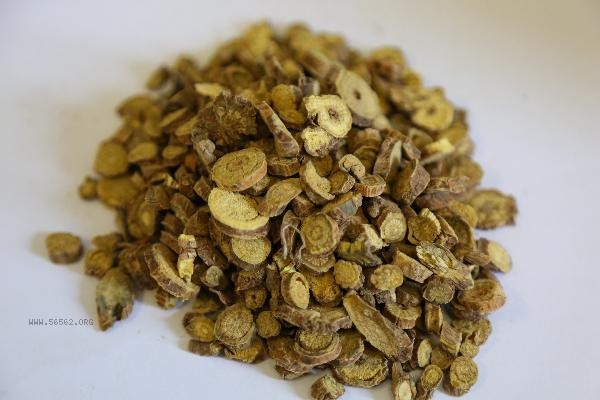
Traditional Chinese Medicine believes that lung nodules are related to qi stagnation, blood stasis, and phlegm dampness coagulation. They can be improved by promoting blood circulation and removing blood stasis with traditional Chinese medicines such as Danshen tablets and Xuefu Zhuyu capsules, and regulating immunity with tonifying drugs such as Huangqi granules. The selection of Feishu, Zusanli and other acupoints in acupuncture and moxibustion may help the movement of qi and blood, but it should be noted that traditional Chinese medicine cannot replace pathological diagnosis, surgery and other western core treatments.
3. Joint monitoring plan
For nodules that have not yet reached surgical indications, it is recommended to review CT scans every 3-6 months to compare changes. During the period of traditional Chinese medicine treatment, it is still necessary to strictly follow the follow-up plan of Western medicine. If the nodule grows more than 2 millimeters or shows features such as lobulation and spiculation, it should be promptly referred to thoracic surgery for evaluation of the necessity of surgery.
4. Key points of physical fitness regulation
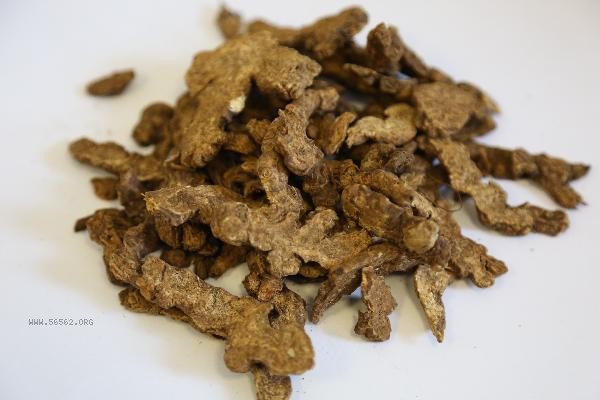
Traditional Chinese medicine emphasizes emotional regulation and lifestyle intervention to avoid anxiety affecting liver qi release. Dietary advice: Eat less raw, cold, and greasy food, and consume moderate amounts of lung moistening ingredients such as lilies and Tremella fuciformis. Practice the Eight Section Brocade Isothermal and Guiding Techniques to promote the circulation of qi and blood in the lung meridian, but vigorous exercise may exacerbate qi dysfunction and caution is needed.
5. Treatment risk warning
Relying solely on traditional Chinese medicine may have the risk of delaying the timing of surgery, especially for potential malignant lesions such as ground glass nodules. Some blood activating traditional Chinese medicines have interactions with anticoagulant drugs, and combination therapy requires evaluation by a physician. Improper manipulation of acupuncture and moxibustion may lead to pneumothorax and other complications, so formal medical institutions should be selected. After discovering pulmonary nodules, Western medicine evaluation such as tumor marker detection and enhanced CT should be completed first, and regular imaging follow-up should be maintained during traditional Chinese medicine treatment. Avoid smoking and exposure to secondhand smoke, pay attention to air quality, and seek medical attention immediately if symptoms such as hemoptysis and chest pain occur. It is recommended to develop personalized management plans under the joint guidance of thoracic surgery and traditional Chinese medicine.





Comments (0)
Leave a Comment
No comments yet
Be the first to share your thoughts!