
6mm pulmonary nodules can usually be treated with traditional Chinese medicine, but it needs to be evaluated based on the specific condition. Pulmonary nodules may be related to inflammation, tuberculosis, benign tumor or early lung cancer. The main TCM conditioning methods include Chinese herbal decoction, acupuncture and moxibustion therapy, acupoint application, diet regulation, Qigong exercise, etc.
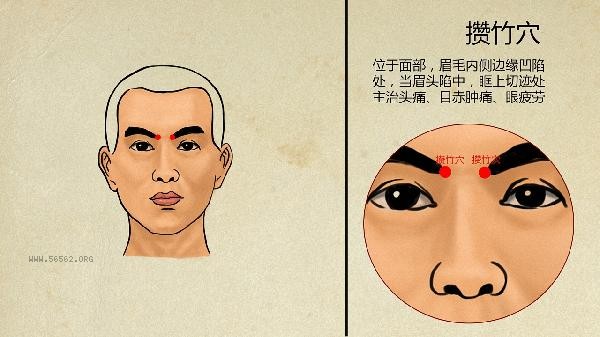
1. Chinese herbal decoctions
Traditional Chinese medicine commonly uses formulas for clearing heat, detoxifying, resolving phlegm, and dispersing nodules to regulate lung nodules, such as Baihe Gujin Tang, Qingqi Huatan Wan, etc. For phlegm stasis nodules, medicinal herbs such as Fritillaria thunbergii and Prunella vulgaris may be used, while for Qi Yin deficiency nodules, Huangqi and Ophiopogon japonicus may be combined. Individualized prescriptions should be issued by traditional Chinese medicine practitioners after differentiation of symptoms, avoiding self medication.
2. acupuncture and moxibustion therapy
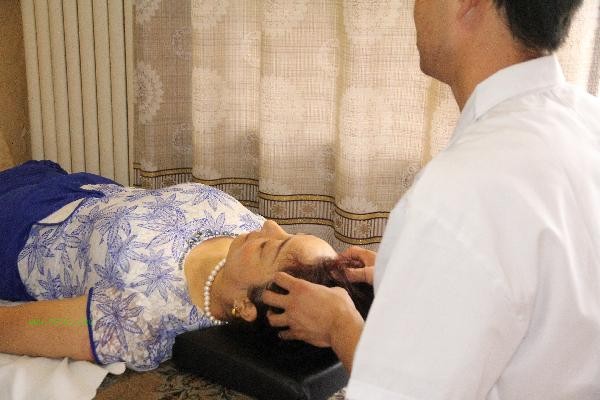
Acupuncture or moxibustion at Feishu point, Zhongfu point and other points is helpful to improve the pulmonary blood circulation. For inflammatory nodules, bloodletting therapy at Dazhui acupoint may be combined, and Fenglong acupoint can be added for phlegm dampness type. It needs to be operated by a professional acupuncture and moxibustion, treated 2-3 times a week, and reviewed by CT 3 months later to assess the effect.
3. Acupoint application
After grinding and preparing drugs such as mustard seed and sweet spring, apply them to the Tian Tu and Shan Zhong acupoints, and exert the effect of resolving phlegm and dispersing nodules through skin penetration. Suitable for patients who are afraid of acupuncture, but those with sensitive skin may experience local redness and swelling, and should stop using it in a timely manner. It is recommended to apply it at night for 6-8 hours before removing it.
4. Dietary regulation
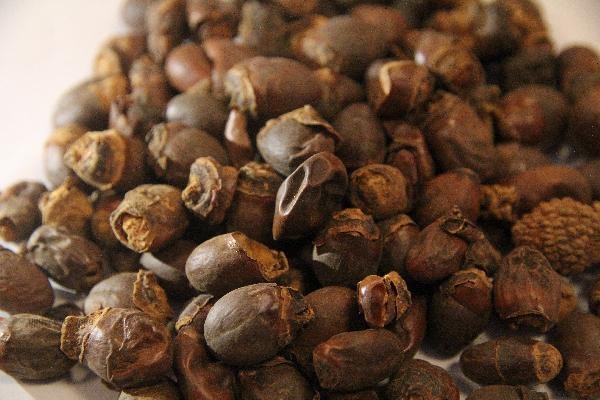
Eat more lung moistening ingredients such as Tremella fuciformis, lilies, and yams, and avoid spicy and stimulating foods. Those with lung heat can drink houttuynia tea, and the phlegm dampness constitution is suitable for dried tangerine peel and barley porridge. Ensuring sufficient drinking water daily and limiting the intake of greasy and high sugar foods can help improve the lung microenvironment.
5. Qigong exercise
Traditional breathing exercises such as Eight Section Brocade and Six Character Formula can enhance lung function. Focus on practicing the "呬" character spell exhalation method, combined with chest expansion exercises to promote the circulation of qi and blood in the lungs. It is recommended to practice for 30 minutes in the morning to avoid excessive breathing. Patients with underlying diseases need to undergo treatment under the guidance of a physician. Patients with pulmonary nodules should undergo chest CT monitoring every 3-6 months to monitor changes. If malignant features such as enlargement and spiculation appear, timely Western medicine intervention is necessary. During the period of traditional Chinese medicine treatment, it is necessary to quit smoking and avoid secondhand smoke, maintain a well ventilated living environment, and reduce outdoor activities on hazy days. Pay attention to changes in symptoms such as cough and chest pain. If there are warning signs such as hemoptysis and weight loss, seek medical attention immediately. Maintaining a regular schedule and moderate exercise can help enhance overall immunity.





Comments (0)
Leave a Comment
No comments yet
Be the first to share your thoughts!