
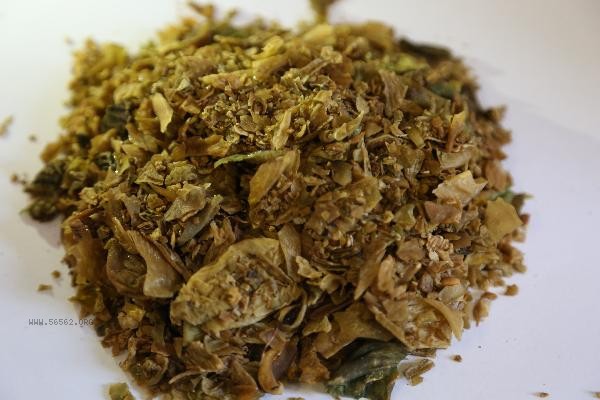
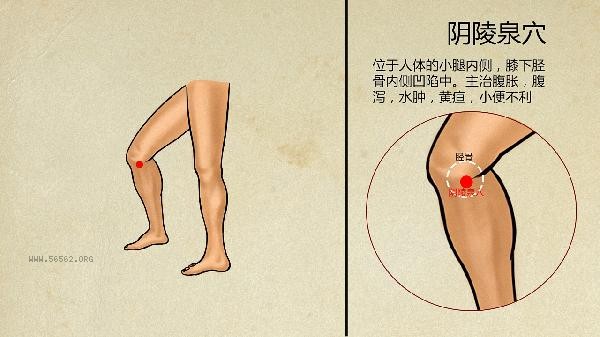
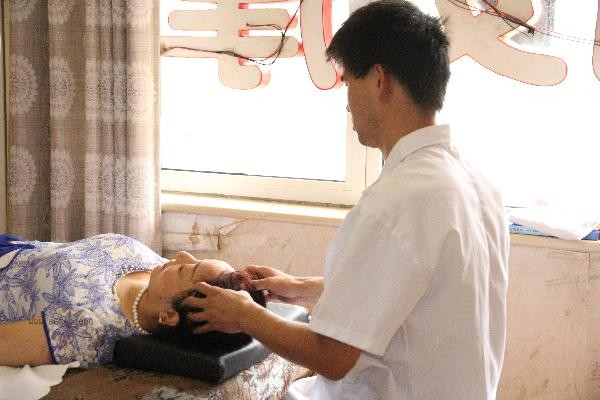
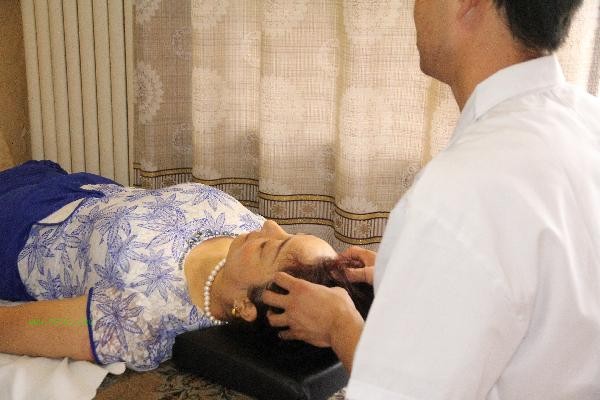
Traditional Chinese medicine can alleviate symptoms of rhinitis, but it is difficult to completely cure it. The treatment effect of rhinitis varies from person to person, mainly related to factors such as the type of rhinitis, the duration of the disease, and individual constitution. Traditional Chinese medicine (TCM) uses TCM, acupuncture and moxibustion, massage and other methods to improve the nasal ventilation function and alleviate symptoms such as nasal congestion and runny nose. The advantage of traditional Chinese medicine in treating rhinitis lies in overall regulation, adopting personalized plans for different syndrome types. For pulmonary spleen qi deficiency type rhinitis, Yupingfeng Powder is commonly modified to nourish qi and stabilize the surface; For wind cold attack type rhinitis, Xinyi Qingfei Drink is often used to dispel wind and dispel cold; For liver gallbladder damp heat type rhinitis, Longdan Xiegan Tang is often used to relieve dampness and clear heat. Acupuncture and moxibustion treatment selects Yingxiang, Yintang and other acupoints to help improve local blood circulation. Massage can unblock meridians and relieve discomfort in the nose. These methods have good effects on types such as allergic rhinitis and chronic simple rhinitis, and can significantly reduce the frequency of attacks. Traditional Chinese medicine treatment has limited effectiveness for organic lesions such as structural rhinitis and severe nasal polyps. Long term recurrent atrophic rhinitis, drug-induced rhinitis, etc., are difficult to reverse pathological changes with simple traditional Chinese medicine treatment. When complications such as severe sinusitis and otitis media are combined, it is necessary to cooperate with Western medicine anti infective treatment. Some patients have low sensitivity to traditional Chinese medicine and their symptoms do not improve significantly. Traditional Chinese medicine alone is difficult to prevent allergic reactions in individuals who are continuously exposed to allergens. Patients with rhinitis should maintain a clean living environment and avoid contact with allergens such as dust and pollen. Pay attention to keeping warm and cold in winter, and avoid direct air conditioning in summer. Diet should be light and avoid spicy and stimulating foods. Exercise appropriately to enhance physical fitness, and consistently flush the nasal cavity with physiological saline. When symptoms worsen or persist, it is recommended to combine traditional Chinese and Western medicine treatment, and if necessary, allergen testing or imaging examinations should be performed.





Comments (0)
Leave a Comment
No comments yet
Be the first to share your thoughts!