
Traditional Chinese medicine treatment may have some effect on pleural effusion, but it needs to be comprehensively judged based on the cause and severity of the condition. Traditional Chinese medicine treatment is mainly suitable for mild to moderate fluid accumulation caused by tuberculous pleurisy, cardiac dysfunction, etc. For malignant tumors, severe infections, or large amounts of fluid accumulation, Western medicine treatment still needs to be combined. Traditional Chinese medicine, through syndrome differentiation, adopts prescriptions such as diuresis, dampness infiltration, blood circulation and stasis elimination, such as Tingli Dazao Xiefei Decoction, Wuling Powder, etc., which can be combined with acupuncture and moxibustion to alleviate symptoms. In the early stage of tuberculous pleurisy or cardiogenic effusion, traditional Chinese medicine treatment may help reduce the formation of effusion and promote absorption. This type of situation mostly belongs to the category of "suspended drinking" in traditional Chinese medicine. The commonly used formula is the Tang Mi Da Zao Xie Fei Tang, which is a reducing formula that promotes diuresis and reduces swelling, combined with Huangqi, Poria cocos, and other ingredients that invigorate the spleen and qi. Acupuncture and moxibustion can adjust the metabolism of water by selecting water points, Zusanli and other points. Clinical observations have shown that the amount of fluid accumulation in some patients can gradually decrease after 3-6 months of treatment, but regular follow-up chest imaging is needed to evaluate the efficacy.
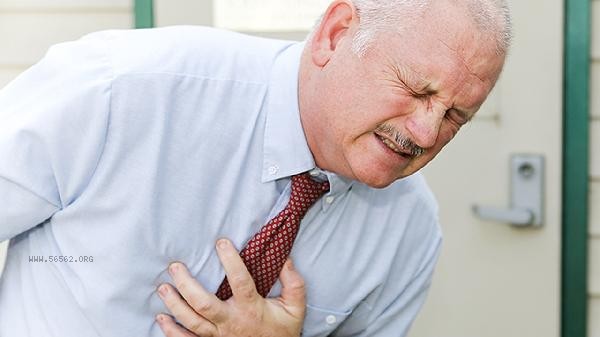
Pleural effusion caused by malignant tumors or empyema is difficult to control the progression of the disease with simple traditional Chinese medicine treatment. The malignant effusion generated by pleural metastasis of lung cancer grows rapidly and requires thoracentesis drainage and injection of chemotherapy drugs such as cisplatin. Bacterial empyema requires sufficient use of antibiotics and, if necessary, closed thoracic drainage. At this time, traditional Chinese medicine can be used as an auxiliary method, such as using heat clearing and detoxifying herbs like Hedyotis diffusa and Scutellaria barbata to alleviate the side effects of chemotherapy, but it cannot replace Western medicine's dominant treatment.
Patients with pleural effusion should limit the intake of sodium salt, and the daily amount of salt should not exceed 5 grams, to avoid the retention of added water and sodium. Moderate respiratory training such as abdominal breathing can help improve lung ventilation function. Monitor changes in weight and respiratory status, and seek timely follow-up if dyspnea worsens or fever occurs. During the treatment period, avoiding factors such as fatigue and emotional excitement that may worsen the condition, and maintaining a regular daily routine can help restore the circulation of qi and blood.





Comments (0)
Leave a Comment
No comments yet
Be the first to share your thoughts!