
Meniscus injury can be treated with traditional Chinese medicine to alleviate symptoms, but it cannot completely repair the damaged meniscus tissue. Traditional Chinese medicine treatment mainly includes oral administration of traditional Chinese medicine, acupuncture and moxibustion, massage, external plaster, functional exercise, etc., which is suitable for mild injury or postoperative rehabilitation. If the injury is severe or accompanied by joint interlocking, Western medicine surgery should be combined for treatment.
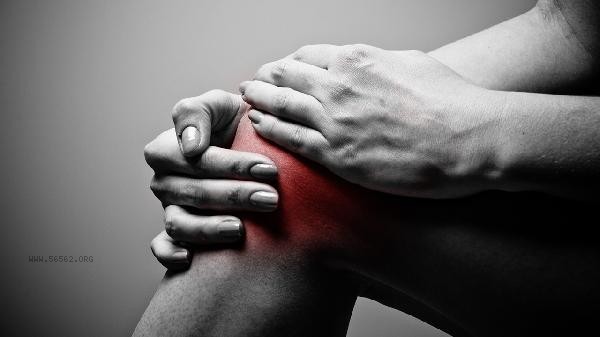
1. Oral administration of traditional Chinese medicine
Traditional Chinese medicine believes that meniscus injury is related to qi and blood stasis, as well as liver and kidney deficiency. Commonly used formulas for promoting blood circulation and removing blood stasis, such as modified Taohong Siwu Tang or Duhuo Parasitic Tang, which tonifies the liver and kidneys. The medicinal ingredients include Angelica sinensis, Chuanxiong, safflower, etc., which can improve local blood circulation and reduce swelling and pain. Pregnant women and those with bleeding tendencies should avoid using blood activating drugs.
2. acupuncture and moxibustion therapy
The acupoints around the knee joint such as Yanglingquan, Calubi, Liangqiu, etc., combined with electroacupuncture stimulation, can alleviate muscle spasm and promote the absorption of inflammation. In the acute phase, laxative therapy is used, while in the chronic phase, tonic therapy is used. Treatment is given 3 times a week, with 10 times as one course of treatment. For those who are afraid of acupuncture, moxibustion or acupoint application can be used instead.
3. Tuina techniques
release tension in the quadriceps and hamstring muscles through kneading, rolling, and other techniques, combined with passive knee flexion and extension activities, to increase joint pressure and promote synovial fluid circulation. Violent techniques are prohibited during the acute phase and must be performed by professional physicians to avoid exacerbating cartilage wear and tear.
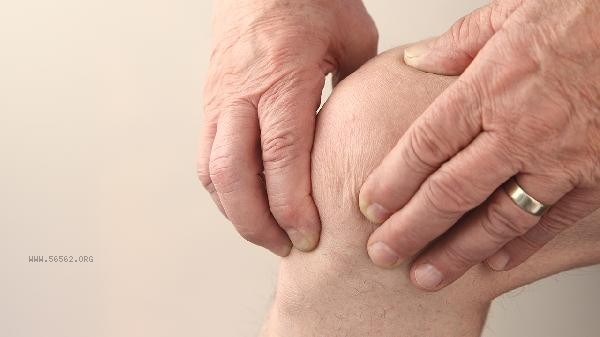
4. External application of ointment
Use external application such as DiDi Wan Hua Oil, Orthopedic Water, etc., combined with infrared irradiation, or apply traditional black ointment such as Huoxue Zhitong ointment and dog skin ointment. The ingredients such as menthol and camphor contained in it can exert local analgesic effects through skin penetration. People with skin allergies should use them with caution.
5. Functional exercise
After the acute phase, static contraction exercises such as straight leg lifting and ankle pump training are started, gradually transitioning to dynamic exercises such as wall squatting and resistance knee extension. The movements of cloud hands, knee hugging and bending steps in Tai Chi can enhance knee joint stability, and it is necessary to avoid squats and jumping movements. During traditional Chinese medicine treatment, excessive weight-bearing of the knee joint should be avoided, weight should be controlled to reduce joint pressure, and low impact exercises such as swimming and cycling can be combined. It is advisable to increase the intake of collagen rich pig trotters, beef tendon soup, and calcium rich dairy products in the diet, and avoid eating raw, cold, and spicy foods. If there are still symptoms such as joint interlocking and obvious clicking after 3 months of treatment, it is recommended to undergo MRI examination in a timely manner to evaluate whether arthroscopic surgery is needed.





Comments (0)
Leave a Comment
No comments yet
Be the first to share your thoughts!